
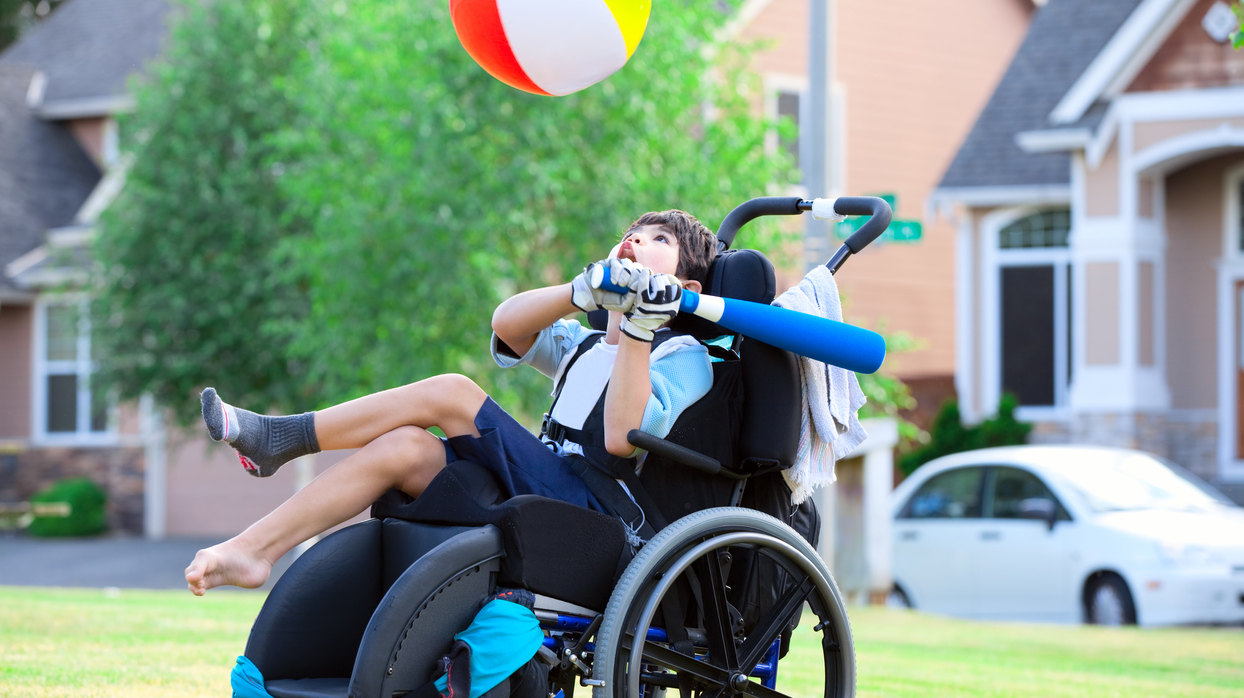
Every child develops at their own pace. However, when ongoing challenges with movement, balance, coordination or strength arise, parents may naturally begin to wonder, “Does my child need physical therapy?”
Paediatric physiotherapy is one form of professional support that may be considered when a child has difficulties with movement or physical function. Depending on a child’s individual needs, parents may also explore early intervention or structured movement-based programmes.
Recognising changes or differences in your child’s movement can help you decide when it may be useful to seek professional advice.
Here are five signs parents may want to look out for.
1. Delayed Motor Milestones
Developmental milestones provide a general guide to how a child’s movement skills are progressing. There is, however, a normal range for when children develop skills such as rolling, sitting, crawling, standing and walking.
Parents may wish to seek professional advice if their child appears to be taking considerably longer than expected to develop movement skills, has stopped making progress, or is having persistent difficulty learning new movements.
An appropriate assessment can help parents better understand their child’s development and whether additional support may be useful.
Structured movement programmes can also provide children with opportunities to practise skills such as transitions, sitting, standing, balance and coordinated movement.
2. Persistent Toe-Walking or “W” Sitting
It is not unusual for young children to occasionally walk on their toes, particularly while their walking pattern is developing.
However, if toe walking becomes persistent or parents have other concerns about the way their child walks or moves, it may be helpful to seek professional advice.
Parents may also notice their child frequently sitting in a “W” position, with their knees in front and their feet positioned outside their hips.
A particular sitting position alone does not necessarily indicate a problem. It is important to consider the child’s overall mobility, movement, coordination and ability to participate comfortably in everyday activities.
If you have concerns about persistent toe walking, sitting posture or other movement patterns, an appropriately qualified professional can assess your child’s movement and advise you on suitable next steps.
3. Difficulties With Balance or Frequent Falls
Falling is a normal part of childhood, particularly when children are learning new skills such as walking, running, climbing and jumping.
Parents may want to seek advice if their child falls considerable more frequently than expected, consistently struggles with stairs or uneven surfaces, or has persistent difficulty with physical activities such as jumping or climbing.
Movement-based activities can provide children with structured opportunities to practise balance, coordination, body awareness and postural control.
Frequent or unexplained falls, particularly when accompanied by other developmental or health concerns, should be discussed with an appropriate healthcare professional.
4. Difficulty With Strength or Physical Endurance
Children vary considerably in their strength, stamina and interest in physical activity.
Parents might notice that their child has difficulty getting up from the floor, needs extra help during movement activities, avoids certain forms of active play, or becomes tired quickly during physical tasks.
These observations do not necessarily mean that a child requires physical therapy. However, if concerns persist or interfere with everyday activities, parents may wish to seek professional advice.
WINGS also offers an Intensive Model of Therapy (IMOT), where appropriate activities are organised into focused blocks, providing repeated opportunities for children to practise movement and functional skills.
5. Unusual Posture or Movement Patterns
Parents are often the first to notice differences in the way their child moves.
For example, a child may consistently favour one side, crawl asymmetrically, have difficulty maintaining an upright posture, or use different movement strategies when sitting, standing or walking.
Movement differences do not necessarily indicate that something is wrong. However, persistent patterns or changes in movement may be worth discussing with an appropriately qualified professional.
WINGS also offers Dynamic Movement Intervention (DMI), a movement-based approach that provides structured opportunities for children to practise movement, balance and postural control.
When Should Parents Consider Getting Support?
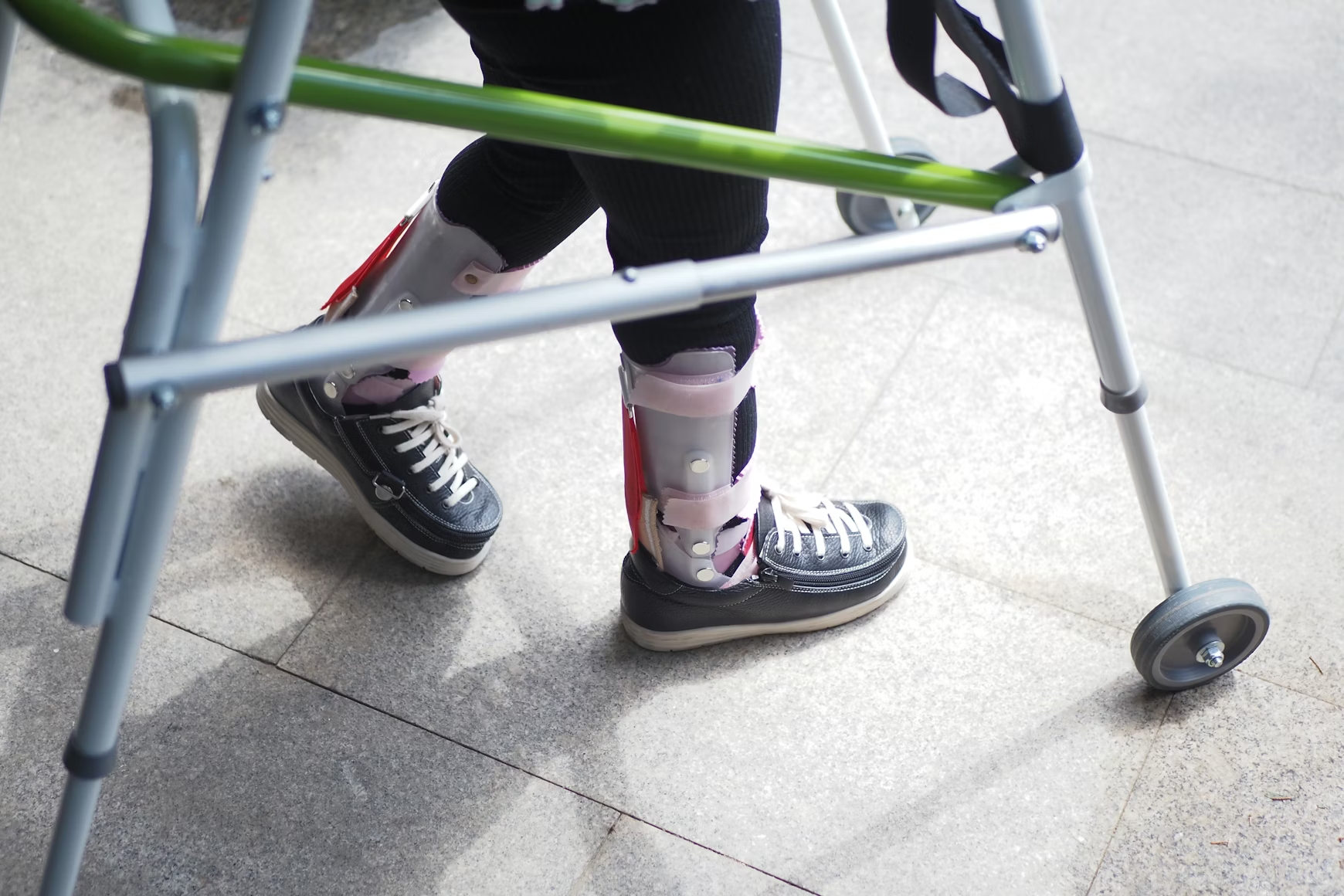
If you have ongoing concerns about your child’s rolling, sitting, crawling, standing, walking, balance, coordination or general movement development, consider discussing them with an appropriate healthcare or developmental professional.
Seeking advice does not necessarily mean that your child needs physical therapy. An appropriate assessment can help you better understand your child’s abilities and what type of support, if any, may be suitable.
At WINGS Therapy Center, physiotherapy services are provided by an AHPC-registered physiotherapist.
WINGS also offers movement-based and early intervention programmes delivered by trained Movement Coaches and Early Interventionists. These programmes are separate from physiotherapy services.
Contact WINGS Therapy Center for an assessment or to learn more about our physiotherapy, movement-based and early intervention programmes.
Important Information:
This article is intended for general educational information and does not provide medical advice, diagnosis or an individual treatment recommendation. If you have concerns about your child’s health or development, consult an appropriately qualified healthcare professional.