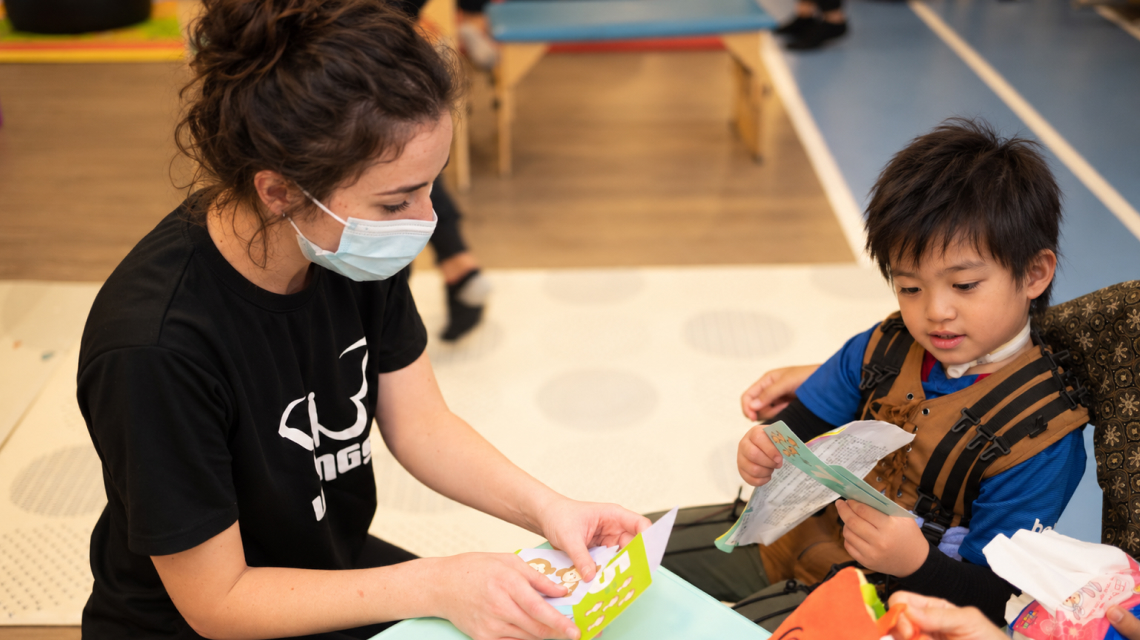
An early intervention programme provides structured support for a young child who may need help developing movement, play, communication or everyday skills. It starts by understanding the child’s current abilities, then sets goals and builds skills through activities suited to their age and needs.
If you have noticed that your baby or child is taking longer to reach a milestone, you do not need to figure out the reason alone. A developmental assessment can help you understand what you are seeing and which next steps may be appropriate.
What Does an Early Intervention Programme Help With?
The focus depends on the child. Goals may include:
- Moving, sitting, standing or walking
- Balance, coordination and posture
- Using hands during play and daily activities
- Participating in play and everyday routines
Programmes differ in their methods, session frequency and goals. A child’s plan should reflect their individual needs, not just a diagnosis.
Is an Early Intervention Programme the Same as EIPIC?
No. An early intervention programme is a broad description of developmental support. Singapore’s Early Intervention Programme for Infants and Children (EIPIC) is a specific government-supported programme for children assessed to need medium to high levels of early intervention support.
Private programmes may use different schedules and formats, including individual sessions or intensive blocks. Parents can ask each provider what the programme includes, who delivers it, how goals are set and whether it can be used alongside other support.
Should I Wait if I Am Concerned About My Child’s Development?
If a milestone or movement pattern concerns you, speak with your child’s doctor rather than relying on “wait and see” alone. An assessment can help identify whether your child needs further evaluation, developmental support or monitoring. Seeking advice does not mean your child will necessarily need a programme.
How Do Physiotherapy, Occupational Therapy and Intensive Therapy Fit In?
Paediatric physiotherapy may address movement and physical function, such as posture, balance and mobility. Occupational therapy may address participation in daily activities, including play, hand use and self-care.
At WINGS Therapy Center, the Intensive Model of Therapy (IMOT) describes a structured period of more frequent sessions with individual goals. Depending on the child’s assessment, WINGS may recommend an intensive movement-based programme.
What Happens at a WINGS Assessment?
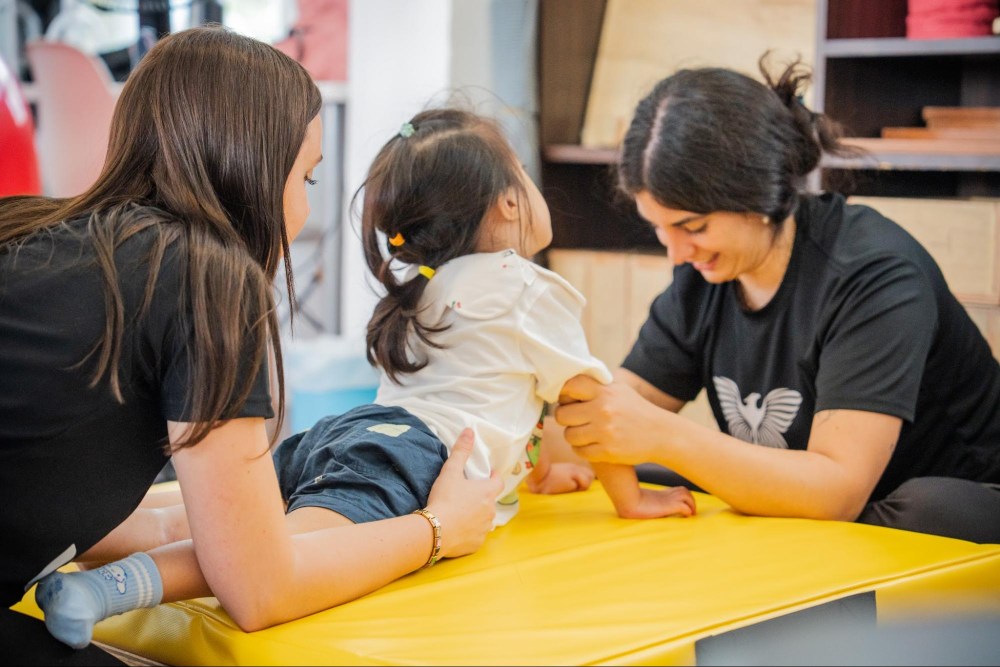
A WINGS assessment lasts approximately 45 minutes. The team reviews your child’s medical history, discusses your concerns and goals, and observes their movement and current abilities. Afterwards, the team explains its findings and recommends appropriate programme goals and next steps.
Concerned about your child’s milestones? Contact WINGS on WhatsApp to arrange an assessment.