- Home
- Our Programmes
Our Programmes
Unique Needs Require Unique Solutions
Singapore’s First & Only Movement-Based Intervention Centre To Operate Under The Intensive Model (IMOT) Framework
IMOT: What’s It All About?
What is IMOT?
Developed in Poland, the (IMOT) is an intervention approach to treating children and adults with developmental and motor challenges.
IMOT is renowned globally for its outstanding results.
IMOT is reminiscent of bootcamp
IMOT involves performing a movement-based developmental programme over an extended period:
- 5 days a week
- 2-4 hours a day
- Spanning a period of 4-6 weeks
Studies have shown that a single intensive block helps a child realize the same goals he or she would typically achieve with a full year of lower frequency/lower intensity intervention.
Patients with developmental and motor challenges need a focused and intense approach to practice the skills they need to learn — like sitting, standing or walking.
No two programmes look the same.. because your child is unique.
Core to our programs is the IMOT MODEL.
IMOT is popular with patients, therapists, and doctors because of outstanding results.
Many children progress more quickly toward their goals in 3 weeks of intensive therapy than they do in 12 months of ongoing traditional therapy. They often advance to the next developmental skill or higher in a 3-week program. For example, if a child is using a walker, it is not uncommon for them to gain the strength, balance, and ability to walk with crutches in just three weeks.
WINGS therapists utilize the IMOT by treating patients 2-4 hours a day, 5 days a week, for 3 full weeks.
This effective therapy involves performing exercises over an extended period — 5 days a week for 2-4 hours a day typically over a 3-week period. Studies have shown that a 3-week session of intensive therapy helps a child realize the same goals he or she would usually achieve with a full year of traditional therapy. Patients with neuromuscular challenges need this focused and intense approach that provides time to practice the skills they need to learn — like sitting, standing or walking.
Our therapists will create a unique program based on your child’s diagnosis, age and stamina.
Here at WINGS, our intensive therapy programs are geared towards supporting a child’s journey towards independent living. Therapy goals are predominantly focused on achieving milestones in activities of daily living such as balance and coordination, fine and gross motor skills and even being able to carry their own bodyweight in order to sit, stand and walk.
Our highly trained physiotherapists challenge the child in a fun and motivating environment, pushing their performance to achieve new developmental milestones. All of our therapists –physical and occupational—work in partnership and with family members to assess each child’s current functioning level.
A customized plan is developed to help each child achieve optimal results. Our pediatric therapy programs start from as early as 3 months of age right through to young adults.
Our Specialised Programmes
Milestones and More
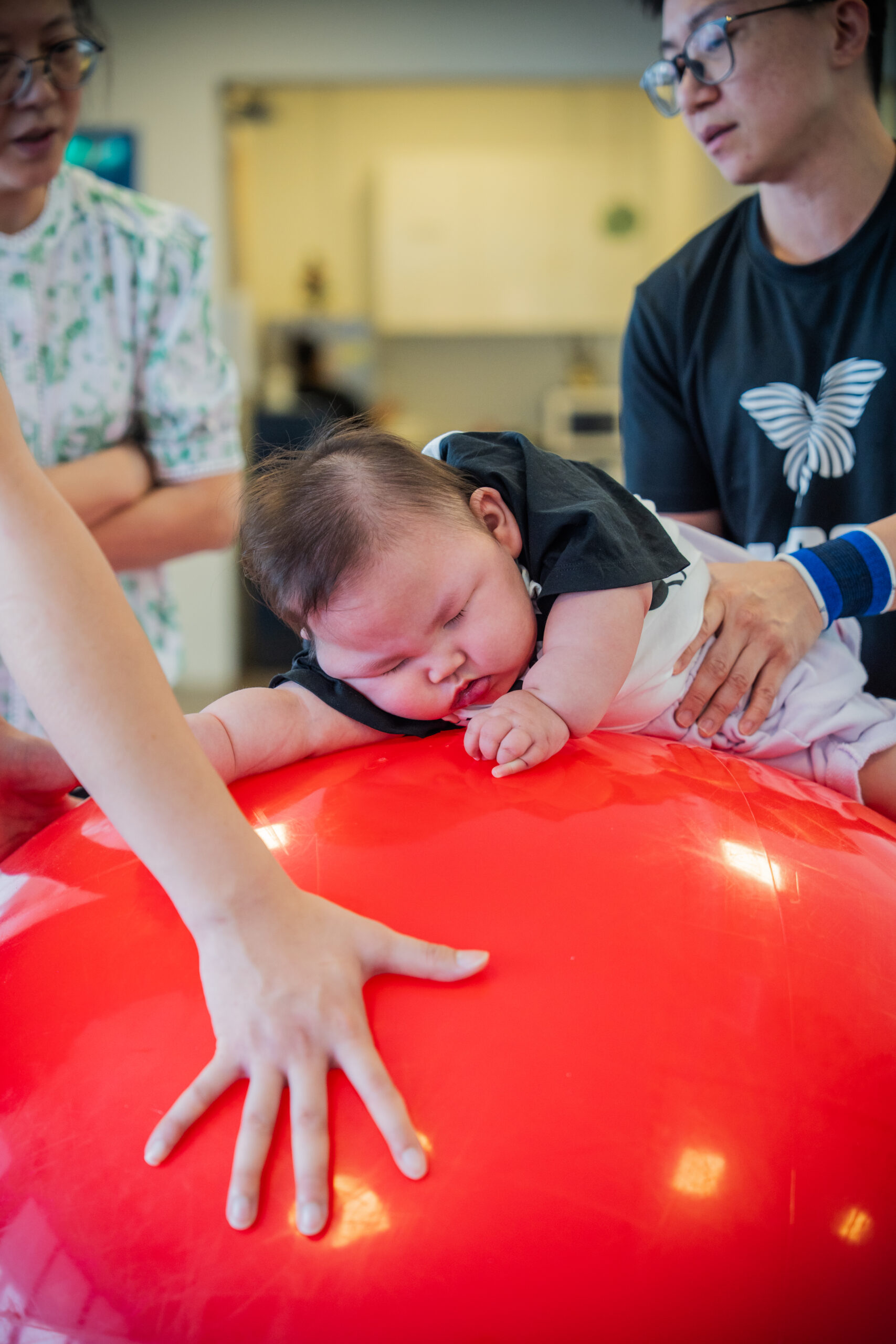
Early Intervention For Preemies, NICU Graduates, Babies & Toddlers (Aged 0-3) With Developmental Delays / Missed Milestones
- Premature babies and NICU graduates
- Infants experiencing delays in developmental milestones
- Babies requiring additional support with movement, posture, or coordination
- Toddlers demonstrating differences in gross motor development
- Children experiencing developmental or movement-related challenges
- Families seeking structured developmental support during early childhood
- Gross motor development
- Postural control and body awareness
- Balance and coordination
- Functional movement skills
- Play participation
- Confidence during movement exploration
- Age-appropriate developmental experiences
- Developmental milestone monitoring
- Movement observation and guidance
- Positioning and postural support
- Caregiver education and coaching
- Opportunities for movement exploration and participation
- Guided home activities
- Caregiver coaching
- Practical movement strategies
- Functional goal planning
- Participation-focused support
Dynamic Movement Intervention
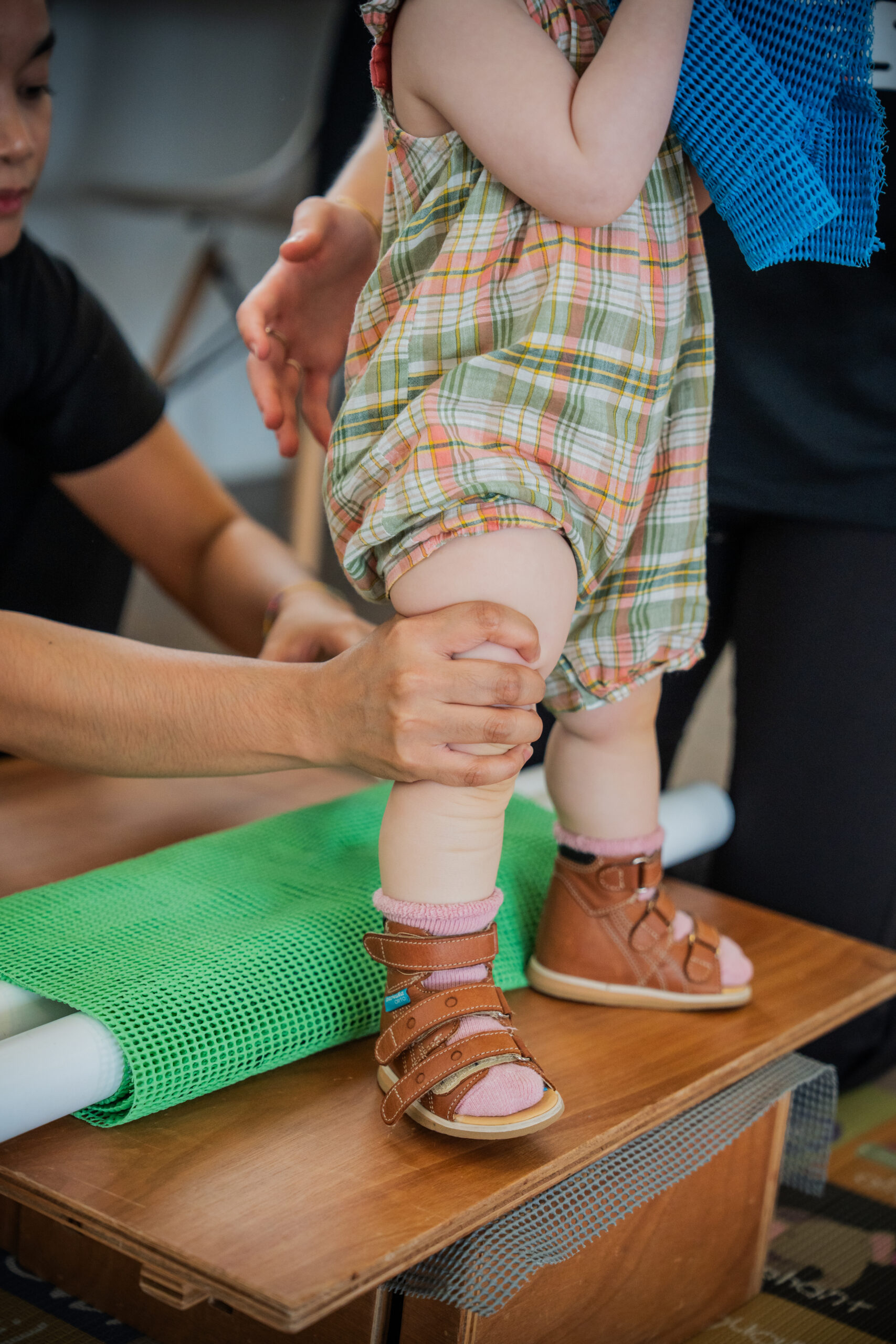
Movement-Based Developmental Programmes Designed To Encourage Participation, Mobility & Motor Development
- Active movement participation
- Movement exploration
- Postural responses
- Balance and coordination
- Motor learning opportunities
- Functional movement experiences
- Repetition within meaningful movement activities
- Gross motor development
- Postural control
- Balance and coordination
- Functional mobility
- Developmental milestones
- Body awareness
- Movement confidence
- Head and trunk control
- Balance reactions
- Weight shifting
- Transitional movements
- Movement confidence
- Functional participation
- Coordination during everyday activities
- Intensive Model of Therapy (IMOT) frameworks
-
Functional movement activities
-
Adaptive fitness approaches
-
Caregiver coaching
-
Developmental milestone support
- Movement-based developmental planning
Neurodevelopmental Intervention (NDT)
Movement-Based Developmental Programmes Designed To Encourage Postural Control, Functional Movement & Participation
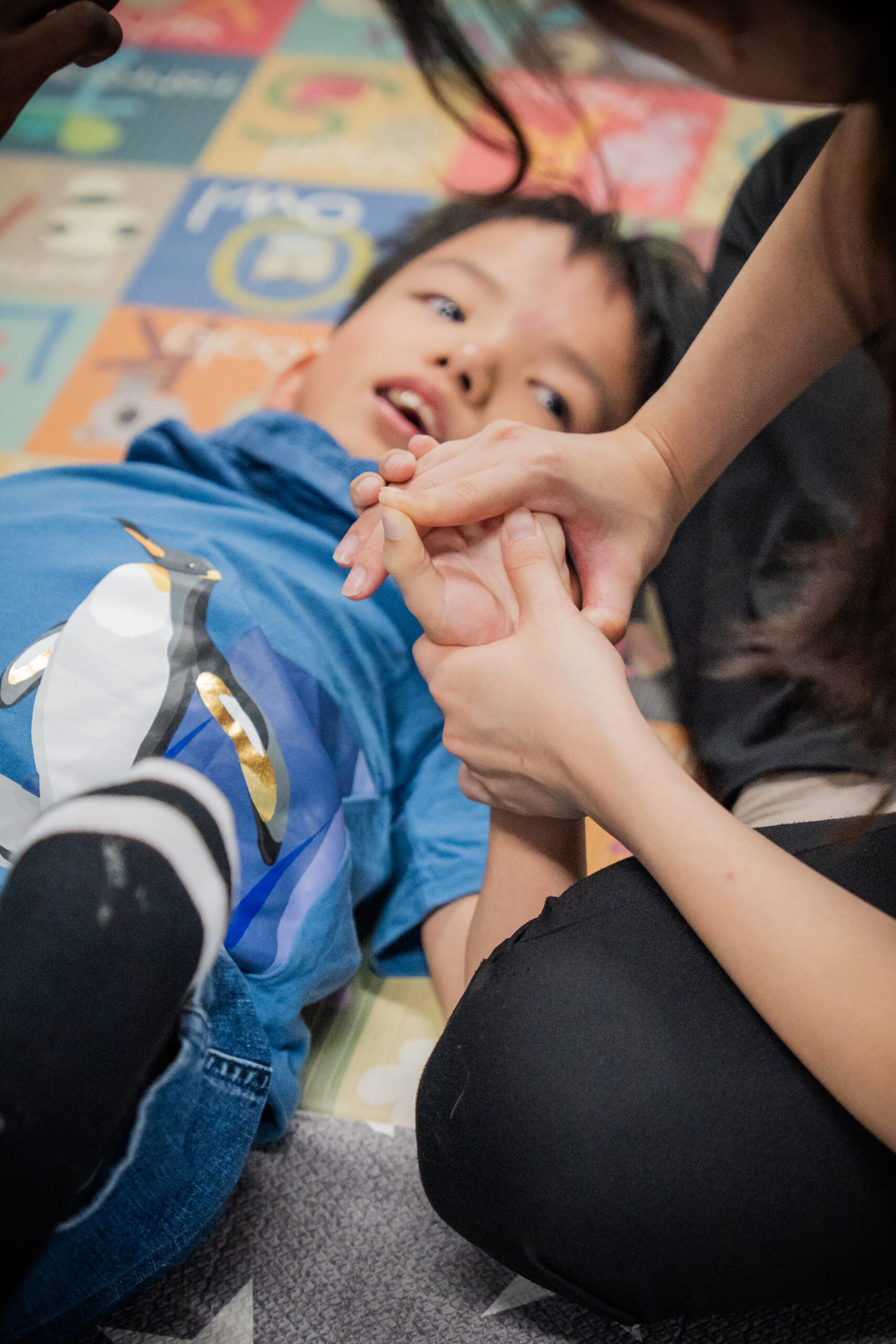
Neurodevelopmental Intervention (NDT) is a movement-based developmental approach that focuses on movement quality, postural control, body awareness, and functional participation during everyday activities.
At WINGS, NDT-based programmes are incorporated into structured developmental programmes designed around each child’s movement profile, participation goals, and developmental stage.
Every programme is adapted according to individual strengths, movement patterns, and functional priorities.
Movement activities are designed to encourage:
Postural control
Functional movement experiences
Weight shifting and body awareness
Movement variability
Coordination during everyday activities
Participation during movement exploration
Rather than focusing on isolated skills alone, NDT emphasises how movement is organised within meaningful activities and real-world participation.
Who May Explore NDT-Based Programmes?
Families may explore NDT-based developmental programmes for children who may benefit from additional support with:
Postural control
Balance and coordination
Gross motor development
Functional mobility
Body awareness
Movement confidence
Developmental milestones
Every programme is adapted according to the child’s developmental presentation and participation goals.
What Do NDT-Based Programmes Focus On?
Movement activities may focus on encouraging:
Alignment during movement
Weight transfer and balance reactions
Functional transitions
Movement efficiency
Stability during movement exploration
Participation in everyday movement experiences
Coordination during age-appropriate activities
Activities are adapted according to developmental stage, tolerance, and participation level.
Why Movement Quality Matters
Movement learning involves repetition, exploration, practice, and participation.
NDT-based developmental programmes aim to encourage children to experience a wide variety of movement opportunities while building confidence and participation within meaningful activities.
Rather than focusing only on milestones themselves, programmes emphasise how movement is used during everyday life.
At WINGS, NDT-based developmental programmes may be incorporated alongside other movement approaches depending on developmental goals and participation priorities.
Programmes may incorporate:
Intensive Model of Therapy (IMOT) frameworks
Dynamic Movement Intervention (DMI)
Functional movement activities
Adaptive fitness approaches
Developmental milestone support
Caregiver coaching and home guidance
Every programme is individualised according to movement goals, developmental profile, and family priorities.
Family Participation Matters
Parents and caregivers play an important role in movement development.
Programmes incorporate caregiver guidance and practical movement strategies designed to encourage participation, confidence, and movement exploration beyond structured sessions,
WINGS Youth Program
Movement-Based Developmental Programmes For Teens & Young Adults (13-25 Years Old)
Growing older does not mean developmental support stops.
As children enter adolescence and young adulthood, movement needs, social expectations, participation goals, and everyday challenges continue evolving. Puberty, rapid growth, changing routines, and increasing independence often create new developmental priorities.
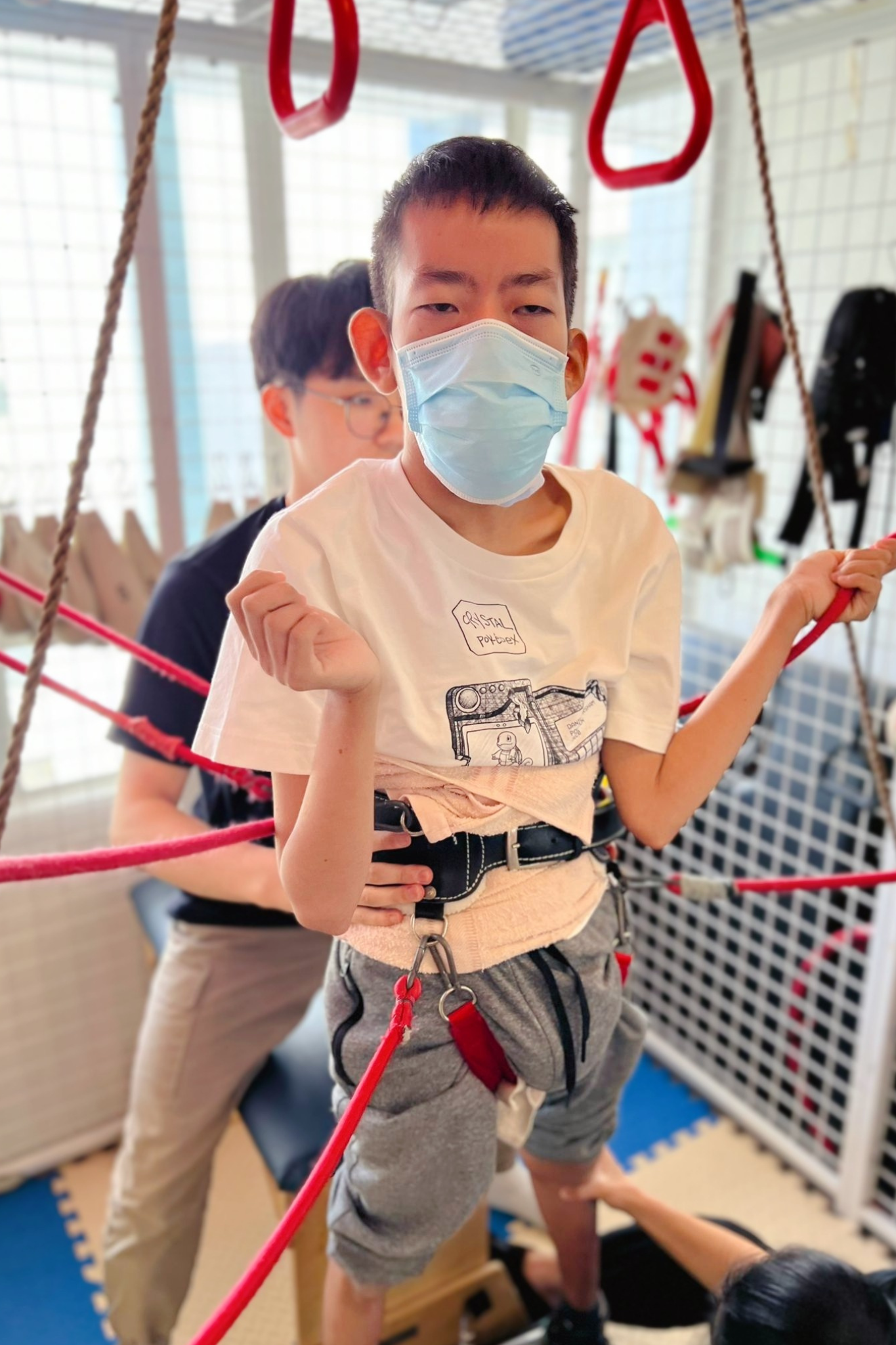
The WINGS Youth Programme provides structured movement-based developmental programmes for teens and young adults designed to encourage participation, confidence, functional mobility, and lifelong movement experiences.
Programmes are individualised according to each person's strengths, goals, interests, and developmental presentation.
Why Support During Adolescence Matters
During adolescence and young adulthood, movement and participation continue playing important roles in everyday life.
Structured developmental programmes may help encourage:
Functional mobility and movement confidence
Participation during school, work, and community activities
Balance, coordination, and body awareness
Everyday independence and participation
Strength and endurance during daily routines
Confidence during social interactions and group activities
Continued movement opportunities during periods of growth and physical change
Every young person develops differently, and programmes are adapted according to individual needs and priorities.
Supporting Movement Through Growth & Puberty
Periods of rapid growth may introduce new movement challenges, including the desire for community and activity, as well as to prevent mental and physical decline, muscular atrophy, dysplasia, contractures or surgeries.
Programmes may focus on supporting:
Movement confidence during growth spurts
Changes in posture and alignment during adolescence
Flexibility and movement variability
Participation during increasingly complex daily routines
Endurance during school, community, and recreational activities
Opportunities for consistent movement experiences throughout adolescence
Programmes are adapted according to developmental stage, participation goals, and movement priorities.
Areas Of Focus Within The WINGS Youth Programme
Programmes may incorporate activities designed to encourage:
Gross motor development
Fine motor participation
Functional mobility
Everyday independence skills
Movement confidence
Adaptive fitness and movement exploration
Social participation and group engagement
Community participation opportunities
Activities of Daily Living (ADLs)
Activities are individualised according to the young person's abilities, interests, and goals.
Functional Participation Beyond Childhood
The transition from childhood to adolescence often introduces new expectations around independence, participation, and community engagement.
The WINGS Youth Programme focuses on supporting meaningful participation across:
Home routines
School participation
Recreational activities
Community access
Social engagement
Everyday movement experiences
The goal is to encourage confidence, participation, and lifelong movement habits that extend beyond structured programmes.
Family & Caregiver Involvement
Families remain an important part of developmental support during adolescence.
Programmes incorporate caregiver guidance, practical movement strategies, and participation-focused planning designed to support movement experiences beyond structured sessions.
Explore The WINGS Youth Programme
Every young person's journey is different.
If you are exploring movement-based developmental programmes for teens and young adults designed around participation, mobility, confidence, and independence, our team can help guide you through suitable programme pathways and support options.
Suit-Based Developmental Programmes
NeuroSuit™ & TheraSuit® Movement-Based Programmes For Functional Mobility, Participation & Movement Development
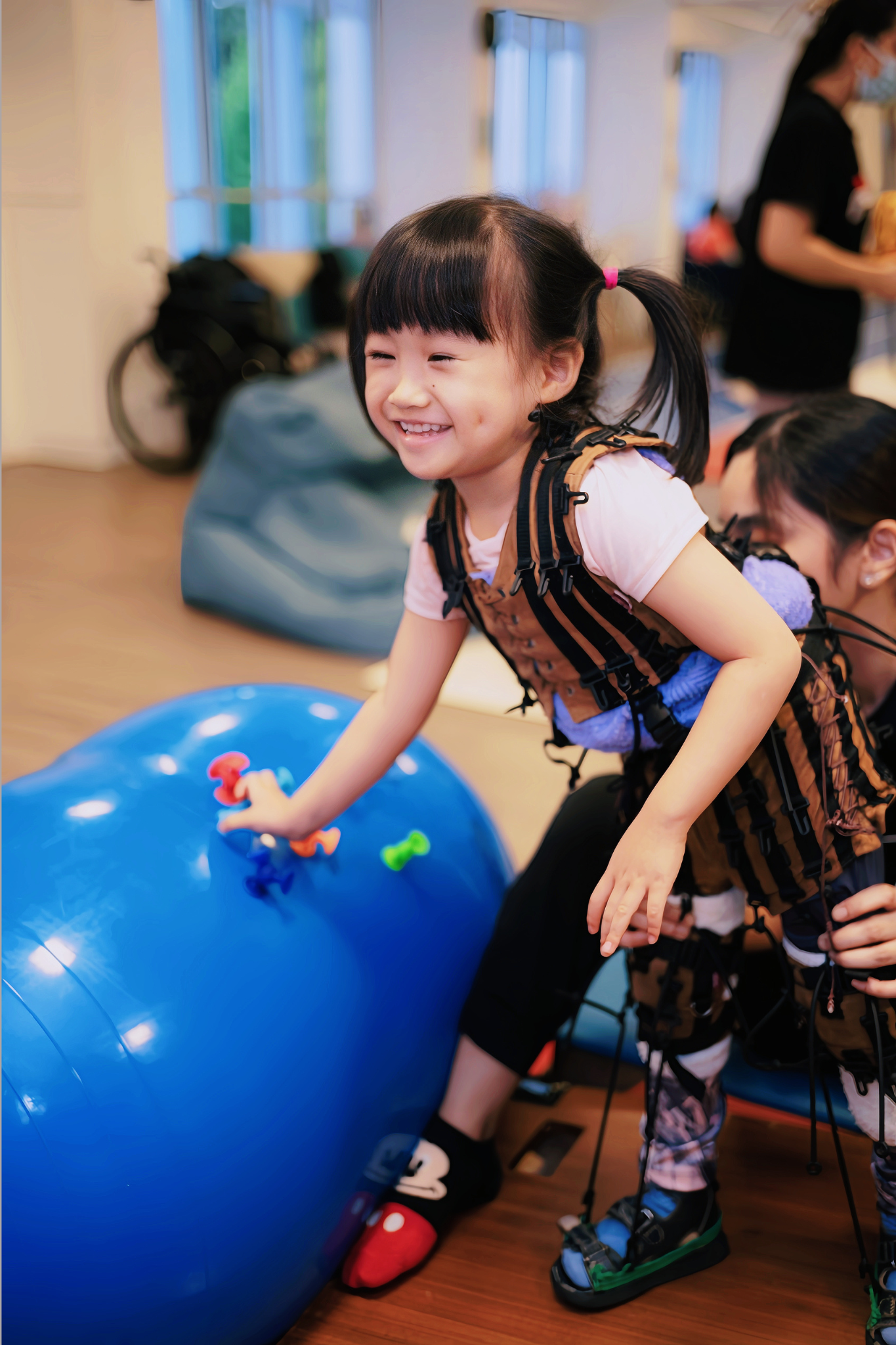
Suit-based developmental programmes use specialised garment systems designed to provide additional postural input, body awareness, and external support during structured movement activities.
At WINGS, NeuroSuit™ and TheraSuit® methods are incorporated within movement-based developmental programmes designed around participation, functional mobility, movement confidence, and developmental goals.
Programmes are individualised according to each child’s developmental presentation, movement profile, and participation priorities.
What Are Suit-Based Developmental Programmes?
Suit-based approaches involve specialised garments that may provide:
Additional postural support
Increased body awareness during movement
Opportunities for alignment during functional activities
Structured movement experiences
Repetition during movement practice
Support during participation-based activities
These approaches are incorporated within guided movement activities rather than used in isolation.
NeuroSuit™ & TheraSuit® Methods
NeuroSuit™ and TheraSuit® methods use structured garment systems combined with movement-based activities designed around participation and functional movement experiences.
Programmes may focus on encouraging:
Postural control
Functional mobility
Balance and coordination
Weight shifting and body awareness
Participation during movement activities
Confidence during movement exploration
Activities are adapted according to developmental stage, tolerance, and movement priorities.
Who May Explore Suit-Based Developmental Programmes?
Families may explore suit-based developmental programmes for children seeking additional support with:
Movement confidence
Functional mobility
Postural control
Gross motor development
Balance and coordination
Participation during everyday activities
Developmental milestones
Every programme is adapted according to individual movement goals and participation priorities.
Why Repetition Matters During Movement Learning
Movement learning often develops through repetition, exploration, participation, and practice.
Suit-based programmes incorporate repeated movement opportunities within structured activities designed to encourage:
Active participation
Movement exploration
Functional movement experiences
Confidence during movement activities
Participation within meaningful daily routines
Activities are adapted according to the child’s developmental profile and goals.
Suit-Based Programmes At WINGS Therapy & Learning Center
At WINGS, NeuroSuit™ and TheraSuit® methods may be incorporated alongside other movement approaches depending on developmental priorities.
Programmes may incorporate:
Intensive Model of Therapy (IMOT) frameworks
Dynamic Movement Intervention (DMI)
Neurodevelopmental Intervention (NDT)
Functional movement activities
Adaptive fitness approaches
Developmental milestone support
Caregiver coaching and home guidance
Every programme is individualised according to movement goals, participation priorities, and developmental profile.
Family Participation Matters
Parents and caregivers play an important role in movement development.
Programmes incorporate practical strategies and caregiver guidance designed to encourage participation and movement exploration beyond structured sessions.
Spider Cage
Supported Upright Movement & Functional Mobility Programmes
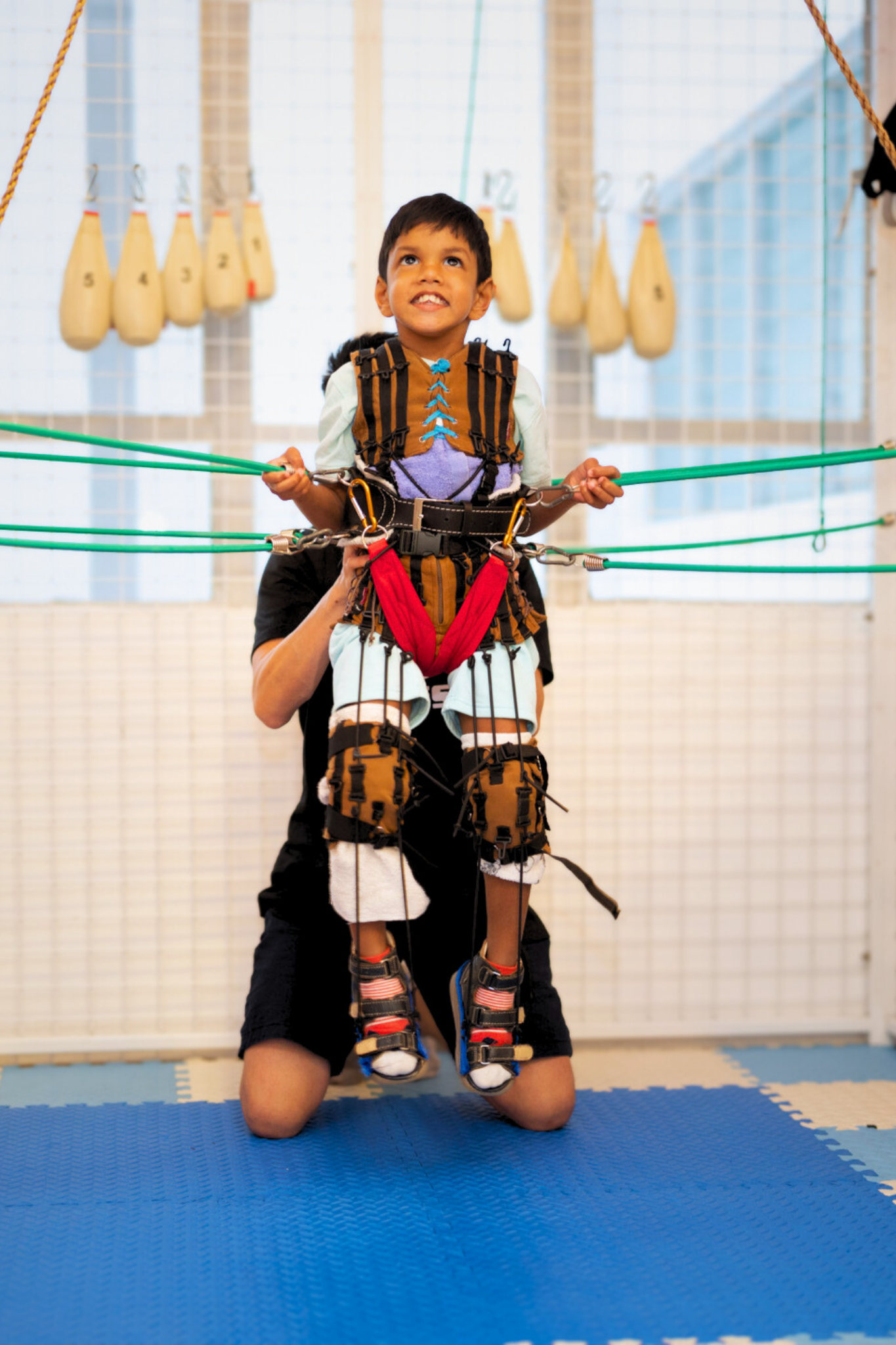
Spider Cage programmes create opportunities for supported upright movement experiences within a structured movement environment.
At WINGS, Spider Cage programmes are incorporated into movement-based developmental programmes designed around participation, movement exploration, balance experiences, and functional mobility activities.
The Spider Cage environment allows adjustable support systems to create opportunities for children to experience upright movement activities that may otherwise be difficult to explore independently.
What Is A Spider Cage Programme?
Spider Cage systems use adjustable support points and suspension systems that create structured movement opportunities within supported upright positions.
These movement experiences may incorporate:
Supported standing experiences
Weight shifting activities
Functional mobility activities
Balance and coordination activities
Movement exploration in upright positions
Participation during movement activities
Repeated movement opportunities during structured activities
Programmes are individualised according to developmental presentation, participation goals, and movement priorities.
Who May Explore Spider Cage Programmes?
Families may explore Spider Cage developmental programmes for children seeking support with:
Movement confidence
Functional mobility
Developmental milestones
Balance and coordination
Upright movement experiences
Participation during movement activities
Gross motor development
What Do Spider Cage Programmes Focus On?
Movement activities may focus on:
Movement exploration
Upright participation
Functional transitions
Weight transfer experiences
Balance activities
Coordination activities
Repeated movement practice
Every programme is adapted according to developmental stage, tolerance, and participation priorities.
Universal Exercise Unit (UEU)
Suspension-Based Movement & Structured Movement Programmes
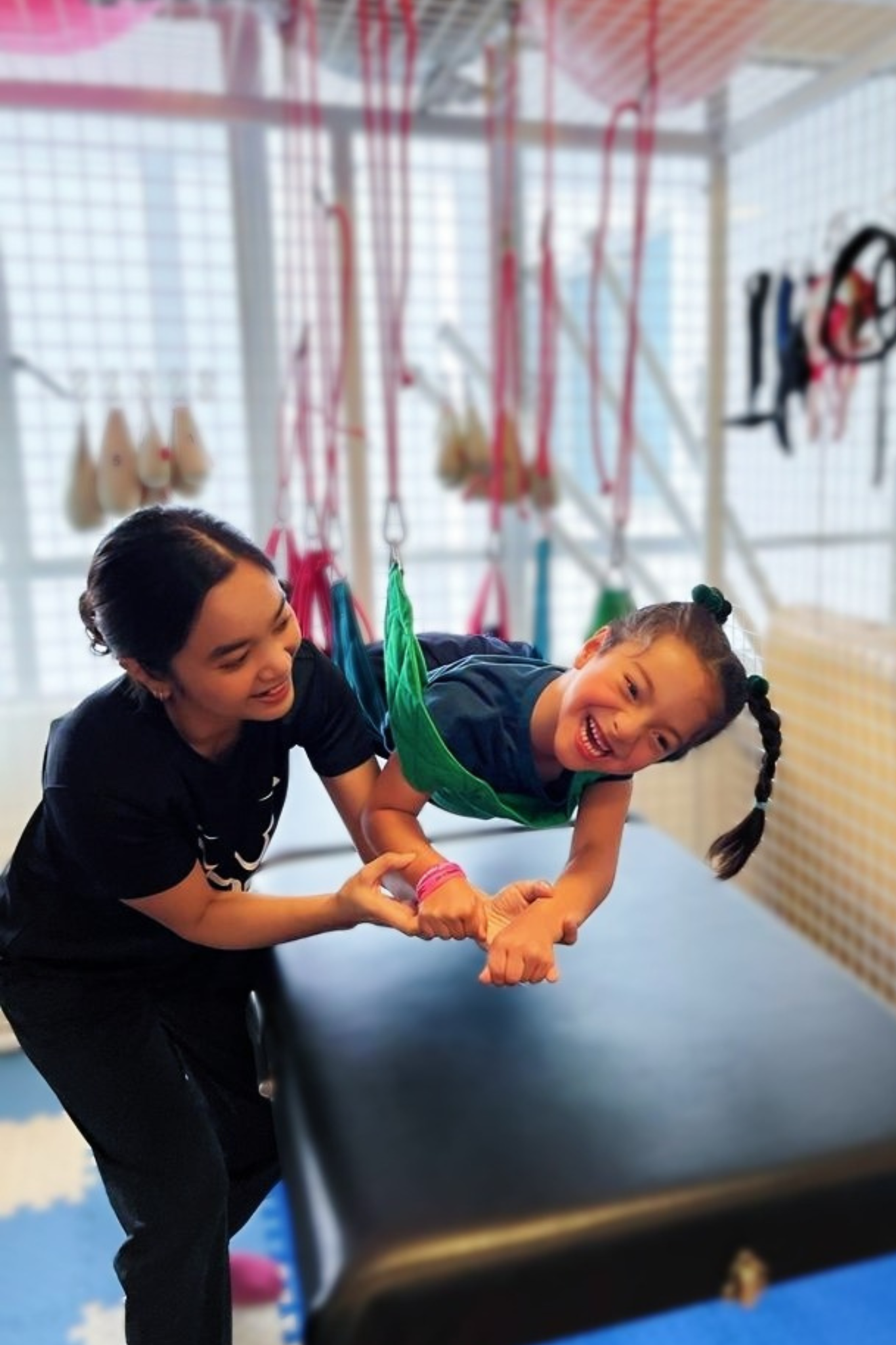
Universal Exercise Unit (UEU) programmes create opportunities for movement exploration using suspension systems, pulley systems, adjustable supports, and structured movement activities.
At WINGS, UEU programmes are incorporated into movement-based developmental programmes designed around participation, movement experiences, body awareness, and functional movement opportunities.
Programmes are individualised according to movement goals, participation priorities, and developmental presentation.
What Is The Universal Exercise Unit (UEU)?
The Universal Exercise Unit is a specialised movement environment that uses suspension systems, adjustable supports, pulleys, and structured movement setups to create different movement experiences.
Movement activities may incorporate:
Supported suspension activities
Supine movement activities
Prone movement experiences
Superman suspension configurations
Body awareness activities
Structured movement tasks
Functional movement exploration
Repeated movement opportunities
Programmes are adapted according to developmental stage, tolerance, and movement priorities.
Who May Explore UEU Programmes?
Families may explore UEU developmental programmes for children seeking additional movement experiences related to:
Gross motor development
Movement confidence
Developmental milestones
Participation during movement activities
Body awareness
Functional movement experiences
Coordination and movement exploration
What Do UEU Programmes Focus On?
Activities may focus on:
Movement variability
Structured movement experiences
Body awareness during movement
Functional movement exploration
Participation during movement tasks
Repeated movement opportunities
Developmentally appropriate movement activities
Programmes are adapted according to participation goals and movement priorities.
Hands On! Movement & Steps To Indepence Programmes
Gross Motor Independence & Everyday Participation Programmes
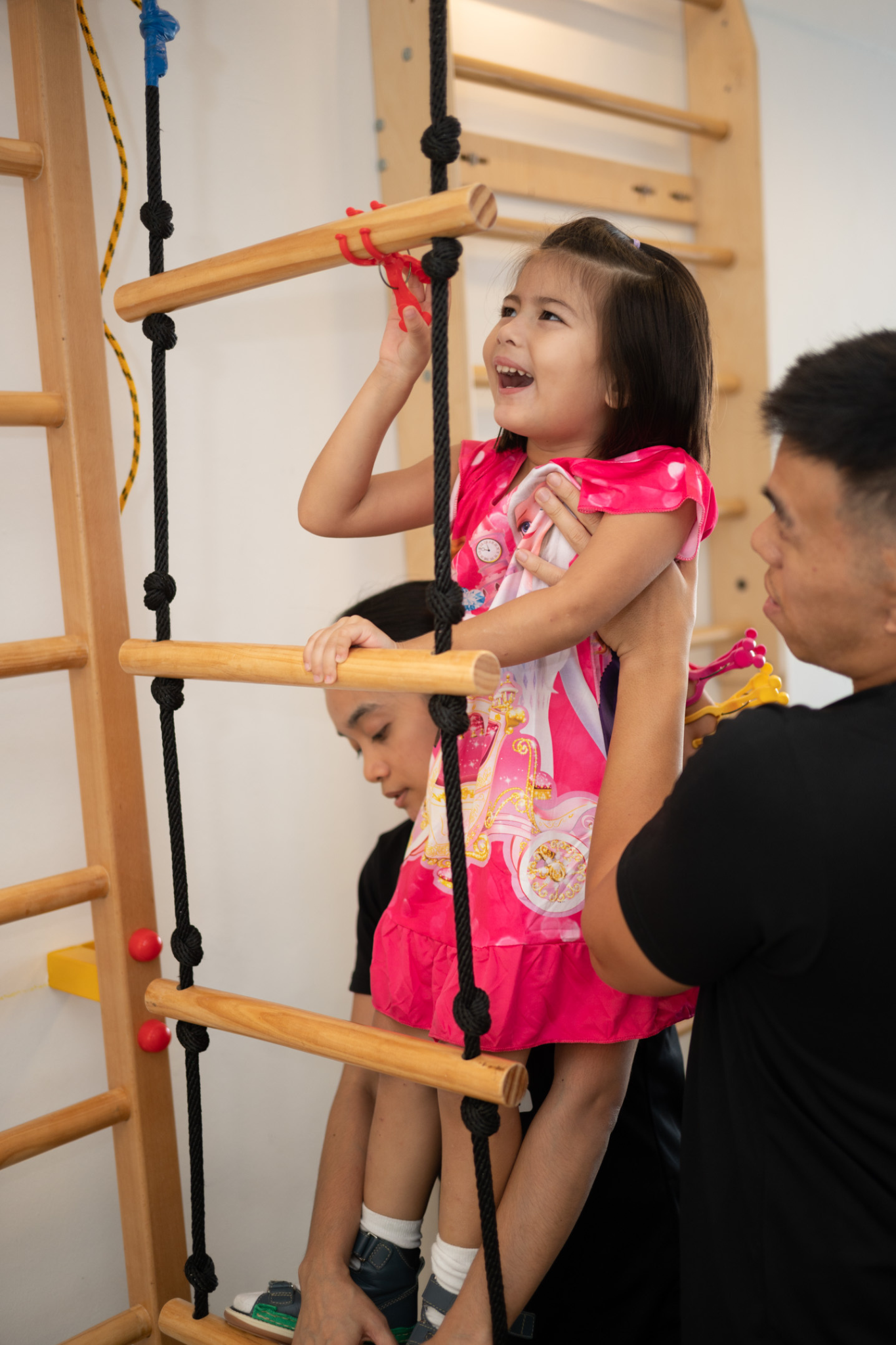
Activities of Daily Living (ADL) programmes focus on helping children participate more independently during everyday routines at home, school, and within the community.
At WINGS, our ADL programme focuses primarily on gross motor activities involved in everyday life, helping children build movement confidence, participation, and practical independence through structured movement experiences.
Programmes are individualised according to developmental stage, participation goals, and family priorities.
Activities may incorporate:
Dressing activities
Transfers and movement transitions
Toileting routines
Mealtime participation
Climbing stairs and navigating environments
Standing tolerance activities
Wheelchair skills (specific for kids in wheelchair)
Fall-Safety
Moving between positions independently
Participation during home and community routines
Activities are adapted according to developmental stage and participation goals.
Who May Explore ADL Programmes?
Families may explore ADL programmes for children seeking support with:
Everyday movement tasks
Functional independence
Gross motor participation during routines
Self-care participation
Movement confidence
Daily routine participation
Functional movement experiences
What Do ADL Programmes Focus On?
Activities may focus on:
Functional movement experiences
Participation during routines
Independence building
Movement confidence
Repeated movement opportunities
Practical everyday skills
Family coaching and carryover strategies
The goal is simple: helping children participate more independently in everyday life.
Autism Fitness ®
Structured Movement & Fitness Programmes For Autistic Children
Movement can create opportunities for participation, confidence, exploration, and skill development.
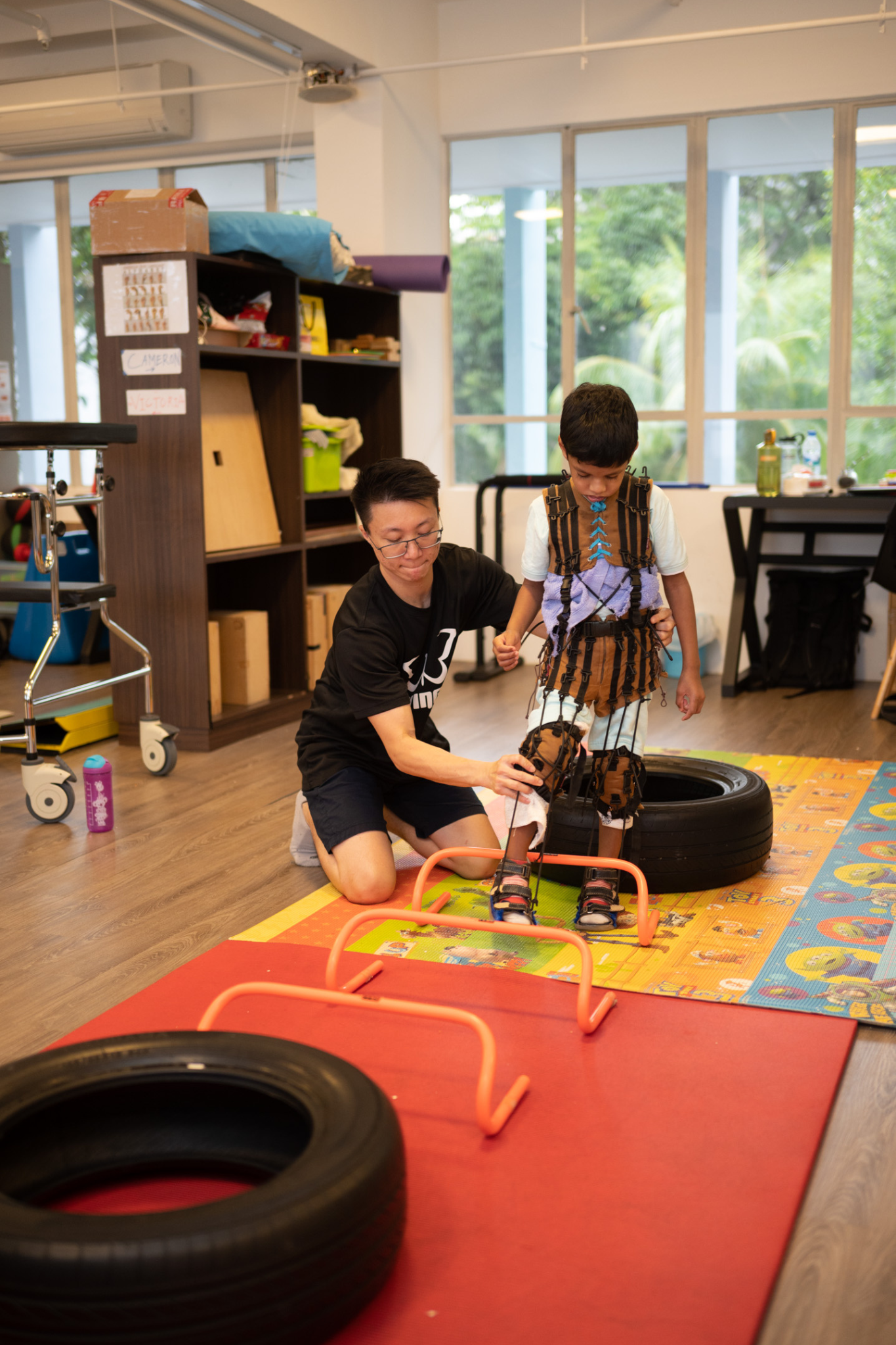
At WINGS, Autism Fitness programmes use structured movement experiences designed around participation, physical activity, body awareness, and individual learning styles.
Programmes are personalised according to developmental stage, participation goals, movement preferences, and individual strengths.
What Is Autism Fitness?
Autism Fitness is a structured movement approach that incorporates fitness activities, movement experiences, body awareness activities, and functional movement opportunities.
Activities may incorporate:
Strength-building activities
Coordination activities
Balance activities
Movement circuits
Body awareness activities
Structured fitness activities
Obstacle courses
Functional movement tasks
Participation during movement games
Activities are adapted according to attention span, movement preferences, sensory needs, and participation goals.
Who May Explore Autism Fitness Programmes?
Families may explore Autism Fitness programmes for children and teens seeking opportunities related to:
Movement confidence
Physical activity participation
Balance and coordination
Body awareness
Strength and endurance activities
Participation during structured movement activities
Gross motor development
Community and recreational participation
What Do Autism Fitness Programmes Focus On?
Activities may focus on:
Participation during movement activities
Movement confidence
Physical fitness experiences
Functional movement skills
Body awareness
Coordination and balance
Repeated movement opportunities
Enjoyment and engagement during physical activity
Programmes are individualised to create movement experiences that are meaningful, motivating, and developmentally appropriate.
Why Movement Matters
Movement experiences can create opportunities for children to participate more confidently during play, recreation, school activities, and everyday life.
The goal is not simply movement itself — but helping children build confidence, participation, and enjoyment through structured physical activity.
Adaptive Sports & Fitness
Movement, Sports Participation & Fitness Programmes For Children & Teens
Sports create opportunities for movement, confidence, social participation, and skill development.
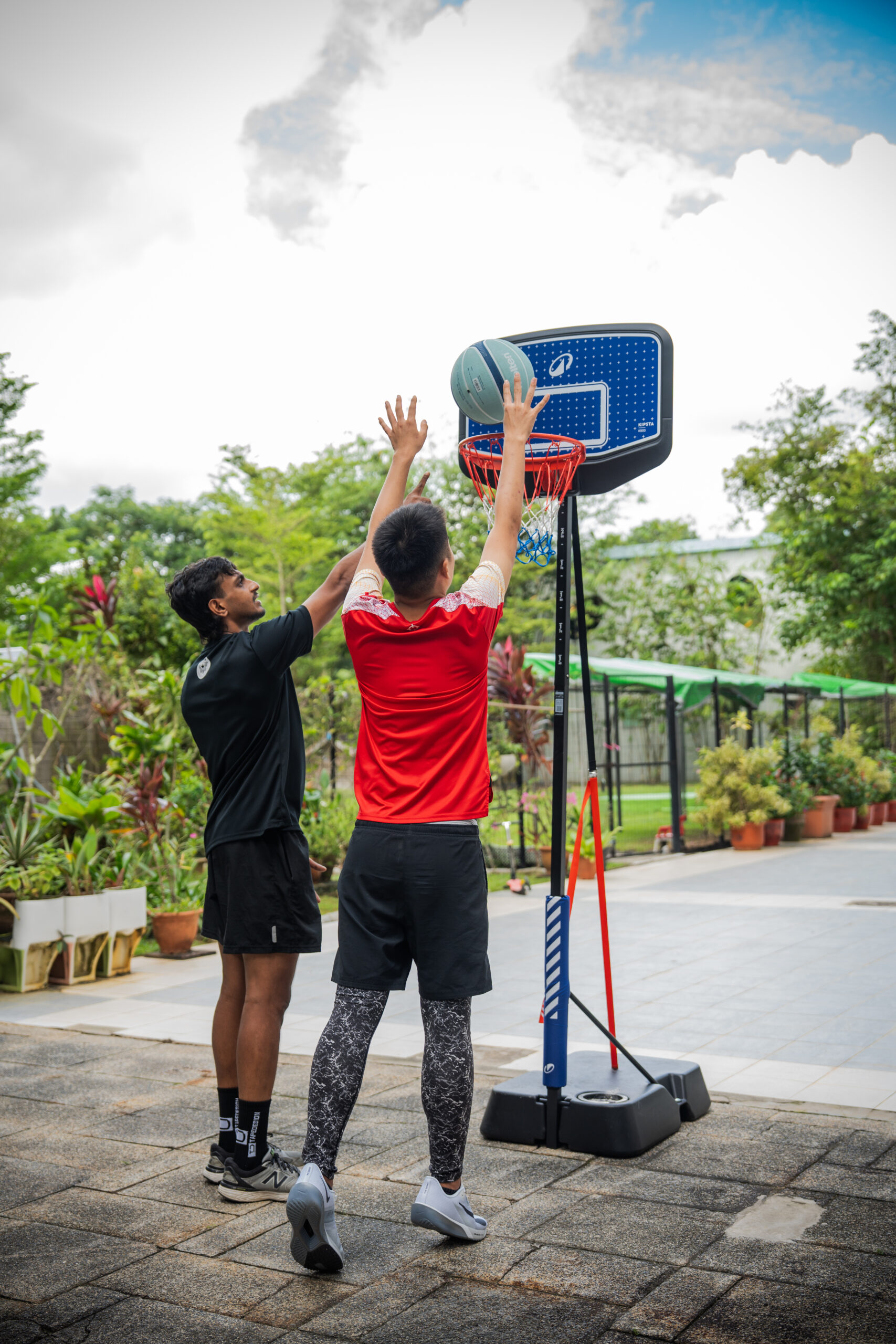
At WINGS, Adaptive Sports & Fitness programmes use structured sports activities, movement experiences, and fitness activities to help children participate more confidently during physical activity.
Activities are adapted according to developmental stage, participation goals, movement preferences, and individual strengths.
What Is Adaptive Sports & Fitness?
Adaptive Sports & Fitness programmes use modified sports activities and structured movement experiences to create opportunities for participation during physical activity.
Activities may incorporate:
Ball sports activities
Running and movement games
Strength and fitness activities
Coordination activities
Balance activities
Sport-specific skill building
Obstacle courses
Group activities
Recreational movement experiences
Sports activities are modified according to movement abilities, participation goals, and confidence levels.
Some sports & skills we do in this programme:
Football
Basketball
Pickleball
Gymnastics
Crossfit
Throwing and catching activities
Running games
Agility activities
Fitness circuits
Group sports & activities
Activities are selected according to developmental stage, interests, and participation goals.
Who May Explore Adaptive Sports & Fitness Programmes?
Families may explore Adaptive Sports & Fitness programmes for children seeking opportunities related to:
Sports participation
Physical activity participation
Movement confidence
Social participation during activities
Coordination and balance
Strength and endurance activities
Recreational participation
Building confidence during group activities
What Do Adaptive Sports & Fitness Programmes Focus On?
Participation during sports activities
Movement confidence
Physical fitness experiences
Social engagement during activities
Functional movement skills
Coordination and balance
Building confidence through movement
Enjoyment during physical activity
The goal is to create opportunities for children to participate more confidently during sports, recreation, play, and everyday life.
Why Sports Matter
Sports create opportunities not only for movement, but also for confidence, friendships, participation, teamwork, and enjoyment.
Adaptive Sports & Fitness programmes are designed to help children explore movement in ways that are meaningful, motivating, and fun.
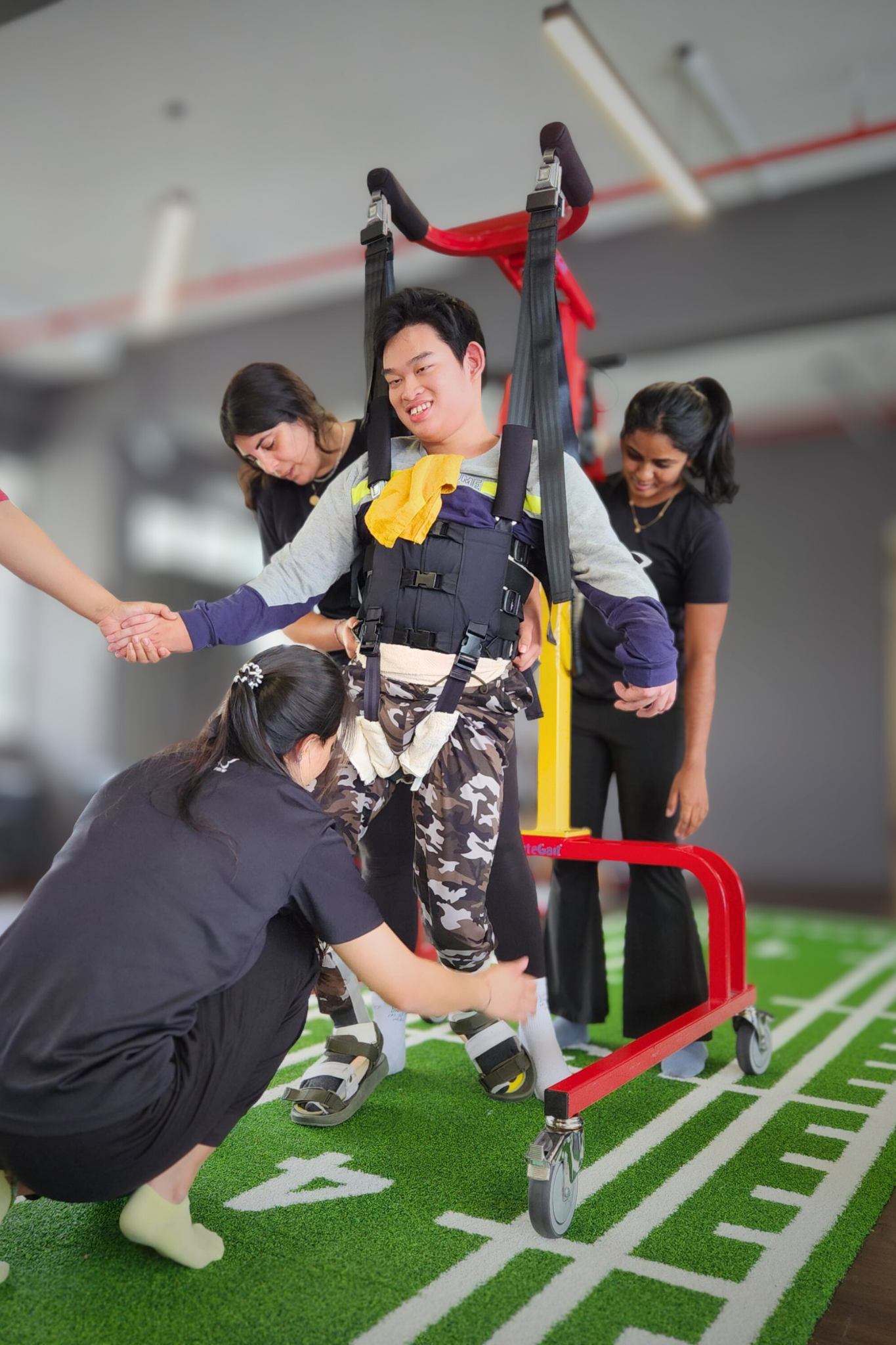
Intensive Gait Training Programme
Structured Walking & Mobility Programmes Designed Around Participation & Functional Movement
Walking is more than simply moving from one place to another. Walking allows children to explore their environment, participate in everyday activities, engage socially, and experience greater independence during play and daily routines.
At WINGS, Intensive Gait Training Programmes provide structured walking and mobility programmes designed around movement repetition, participation, functional mobility, and individual developmental goals.
Programmes are individualised according to movement profile, participation priorities, developmental stage, and mobility goals.
What Is Intensive Gait Training?
Intensive gait programmes create opportunities for repeated walking experiences within structured movement activities.
Activities may incorporate:
Supported walking experiences
Weight shifting activities
Balance activities
Functional mobility activities
Walking practice during structured movement tasks
Repeated movement opportunities
Participation during everyday movement experiences
Adaptive movement environments and equipment where appropriate
Activities are adapted according to movement priorities and participation goals.
Who May Explore Intensive Gait Programmes?
Families may explore gait programmes for children seeking support related to:
Walking confidence
Functional mobility
Participation during movement activities
Developmental milestones related to mobility
Balance and coordination
Movement confidence during upright activities
Endurance during everyday movement experiences
Programmes are adapted according to each child’s movement profile and goals.
What Do Intensive Gait Programmes Focus On?
Walking opportunities through repeated movement experiences
Weight transfer activities
Upright participation
Functional mobility experiences
Movement confidence
Balance and coordination activities
Participation during movement tasks
Walking within meaningful activities and routines
Activities are designed according to developmental stage and participation priorities.
Why Repetition Matters During Walking Development
Movement learning often develops through exploration, repetition, participation, and practice.
Intensive gait programmes create opportunities for repeated movement experiences within structured activities designed to encourage participation during walking and mobility activities.
Programmes emphasise meaningful movement experiences rather than isolated movement tasks alone.
Walking and mobility programmes at WINGS may incorporate:
Intensive Model of Therapy (IMOT) frameworks
Dynamic Movement Intervention (DMI)
Neurodevelopmental Intervention (NDT)
Supported movement environments
Functional mobility activities
Adaptive fitness approaches
Developmental milestone support
Caregiver guidance and home strategies
Every programme is individualised according to developmental goals and participation priorities.
If you are exploring structured walking and mobility programmes designed around participation, movement confidence, and functional mobility, our team can help guide you through available programme pathways and support options.
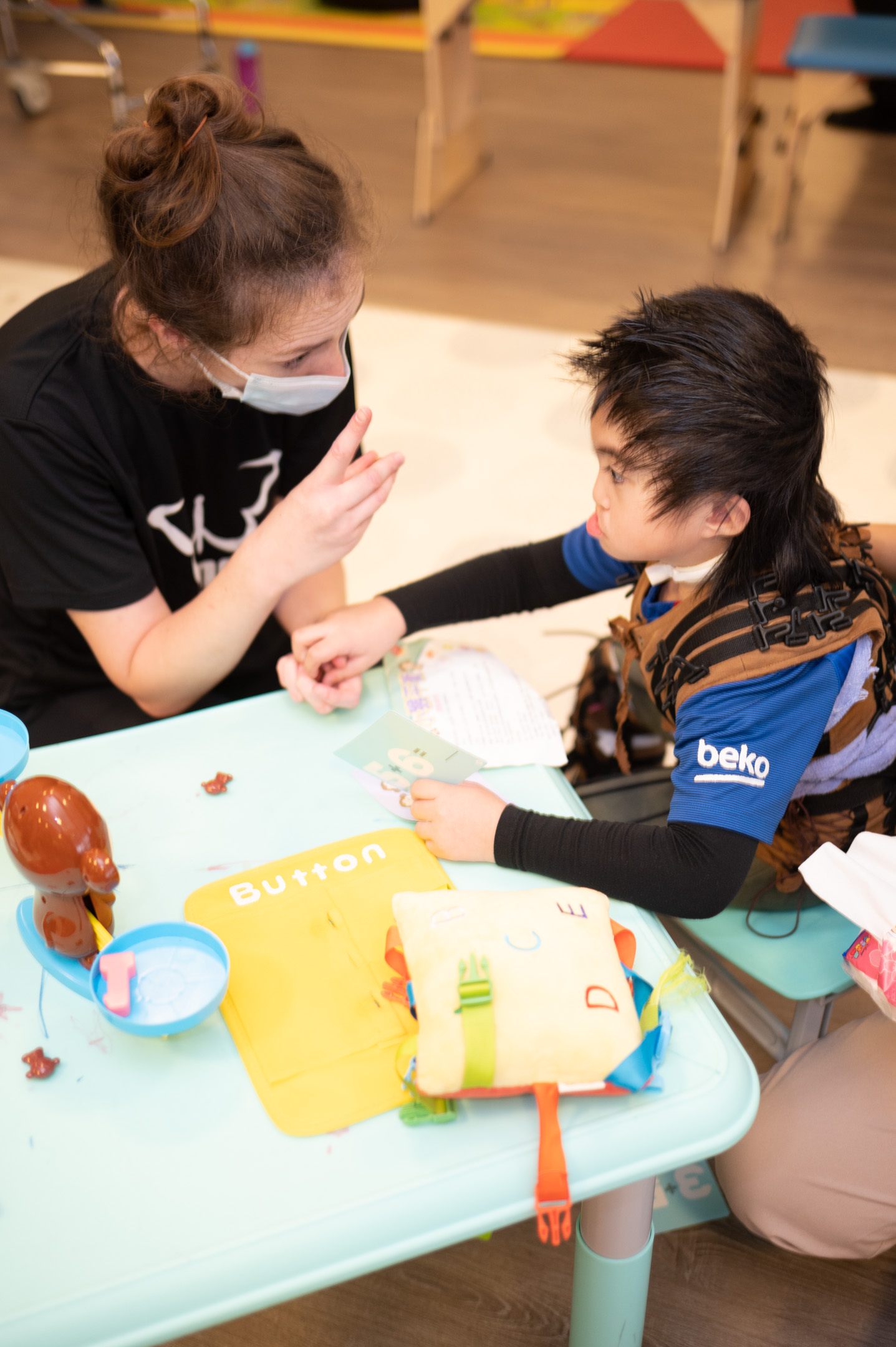
Foundations for Learning (School Readiness)
Movement, Fine Motor & Pre-Academic Development Programmes
School readiness involves far more than learning letters and numbers. Children also require movement confidence, body awareness, attention, coordination, fine motor skills, and participation skills to navigate classroom environments successfully.
At WINGS, School Readiness Programmes combine movement experiences with fine motor activities, pre-academic activities, and structured skill-building programmes designed around participation and developmental readiness.
Programmes are individualised according to developmental stage, learning profile, and participation goals.
What Is Included In School Readiness Programmes?
Activities may incorporate:
Movement-Based Learning Activities
Movement experiences may focus on:
Gross motor development
Balance and coordination activities
Body awareness activities
Movement planning activities
Sitting tolerance and posture activities
Participation during structured activities
Fine Motor & Hand Skills Activities
Activities may focus on:
Pencil grasp development
Hand strength activities
Bilateral coordination
Cutting activities
Visual motor activities
Functional hand use
Handwriting Development Activities
Programmes may incorporate structured handwriting approaches including:
Handwriting Without Tears principles
Pre-writing activities
Pencil control activities
Letter formation practice
Writing readiness activities
Early Literacy Activities
Programmes may also incorporate:
Glenn Doman reading activities
Visual recognition activities
Early language participation activities
Structured reading experiences
Attention and participation activities
Who May Explore School Readiness Programmes?
Families may explore school readiness programmes for children seeking support with:
Fine motor skills
Handwriting readiness
Classroom participation
Attention during activities
Early literacy experiences
Gross motor development
Pre-academic skill building
What Do School Readiness Programmes Focus On?
Activities may focus on:
Participation during structured tasks
Fine motor development
Movement confidence
Attention and engagement
Functional classroom skills
Independence during activities
Building confidence before school transitions
The goal is to create opportunities for children to participate more confidently during learning, play, and classroom experiences.
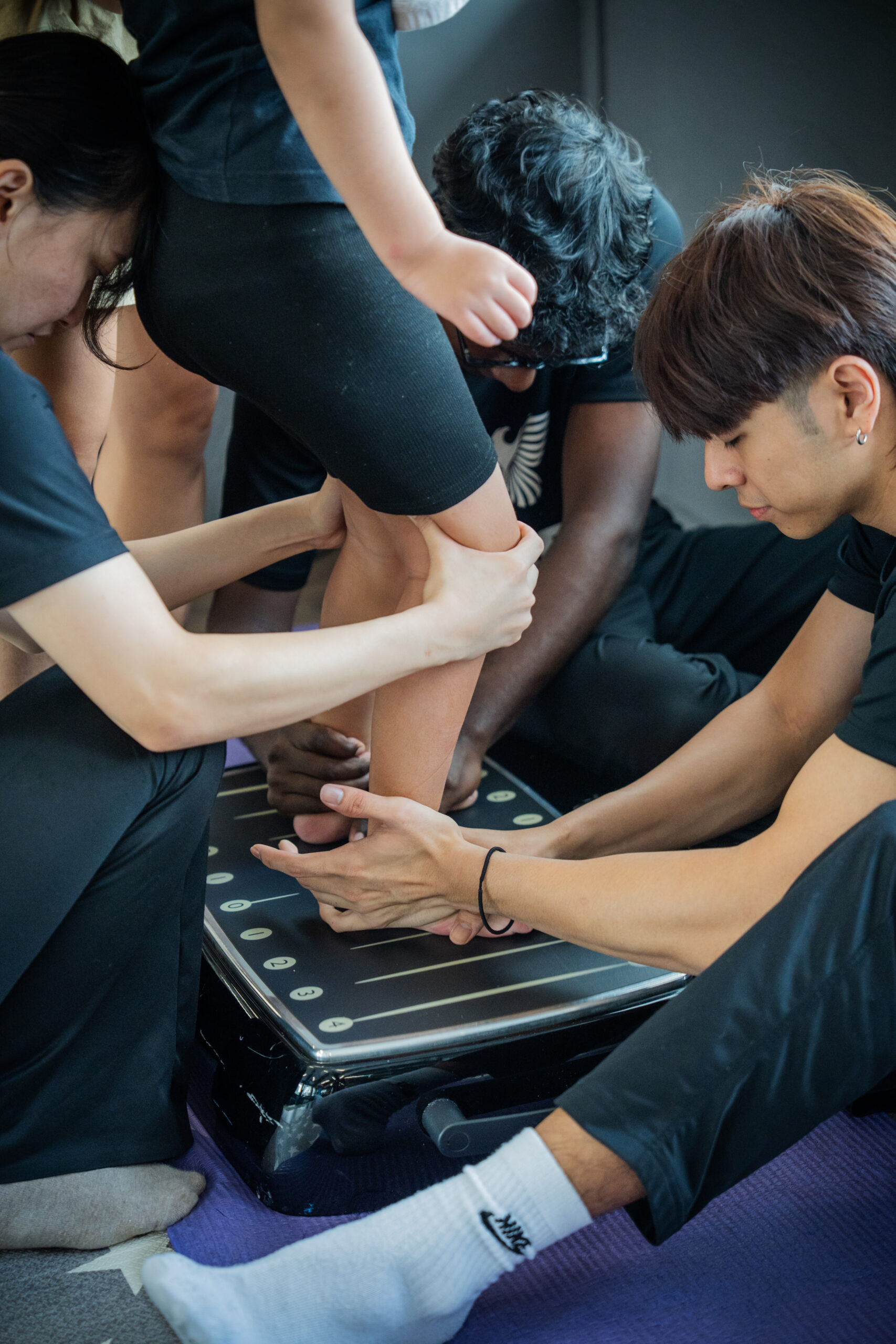
Vibration-Based Developmental Programmes
Structured Movement Programmes Using Galileo® Vibration Platforms
Vibration-based developmental programmes create opportunities for movement experiences using structured vibration platforms incorporated within movement activities, participation tasks, and functional movement experiences.
At WINGS, Galileo® vibration platforms are incorporated within movement-based developmental programmes designed around participation, body awareness, movement confidence, and functional movement experiences.
Programmes are individualised according to developmental stage, movement profile, participation goals, and tolerance levels.
What Are Vibration-Based Developmental Programmes?
Vibration-based developmental programmes use structured vibration platforms during movement activities to create additional movement experiences within a controlled environment.
Activities may incorporate:
Supported standing activities
Balance activities
Functional movement tasks
Movement exploration activities
Weight shifting experiences
Body awareness activities
Structured movement activities
Participation during movement tasks
Activities are adapted according to developmental stage, movement priorities, and participation goals.
What Is Galileo®?
Galileo® is a vibration platform incorporated within movement-based developmental programmes.
The platform may be incorporated during:
Standing activities
Supported movement experiences
Functional movement activities
Balance activities
Movement exploration tasks
Structured developmental programmes
Galileo® activities are incorporated according to developmental profile and movement priorities.
Who May Explore Vibration-Based Developmental Programmes?
Families may explore vibration-based developmental programmes for children seeking additional movement experiences related to:
Movement confidence
Balance and coordination
Functional mobility
Body awareness
Developmental milestones
Participation during movement activities
Gross motor development
Every programme is adapted according to individual movement goals and participation priorities.
What Do Vibration-Based Programmes Focus On?
Participation during movement activities
Functional movement experiences
Movement exploration
Balance activities
Upright movement opportunities
Coordination activities
Repeated movement experiences
Building confidence during movement tasks
At WINGS, Galileo® vibration platforms may be incorporated alongside other movement approaches depending on developmental priorities.
Programmes may incorporate:
Intensive Model of Therapy (IMOT) frameworks
Dynamic Movement Intervention (DMI)
Neurodevelopmental Intervention (NDT)
Functional movement activities
Adaptive fitness approaches
Walking and mobility programmes
Developmental milestone support
Caregiver coaching and home guidance
Every programme is individualised according to movement goals, participation priorities, and developmental profile.
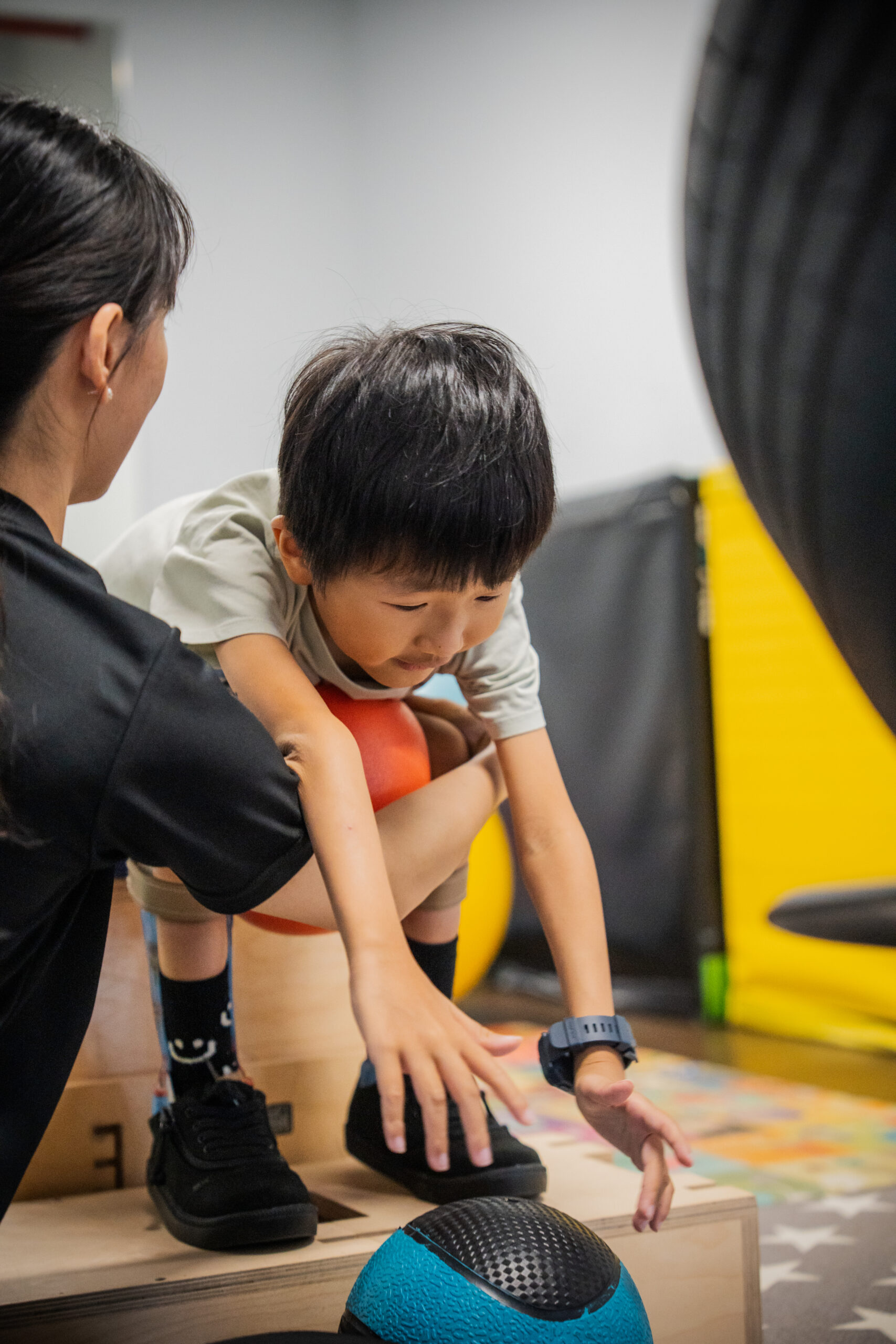
Sports For The Special Child
Movement-Based Sports Experiences Designed Around Every Child
Sports For The Special Child is WINGS’ signature movement-based sports programme designed for children requiring additional support during movement activities, participation experiences, and everyday physical exploration.
Using a combination of adapted sports, creative obstacle courses, structured movement activities, and play-based experiences, programmes are designed to help children explore movement in meaningful, motivating, and enjoyable ways.
Sessions may incorporate a mixture of movement-based approaches, adaptive equipment, structured movement systems, and purposeful sports experiences to create programmes that are individualised according to participation goals and developmental priorities.
Activities may include:
• Adapted ball sports
• Creative obstacle courses
• Playground skill exploration
• Movement games and challenges
• Balance and coordination activities
• Strength and endurance activities
• Functional movement experiences
• Participation-focused sports activities
Unlike traditional sports programmes, Sports For The Special Child focuses on creating movement experiences that are individualised according to each child's developmental profile, participation goals, and movement priorities.
Every programme is designed around one simple idea:
Movement should be meaningful, enjoyable, and accessible for every child.
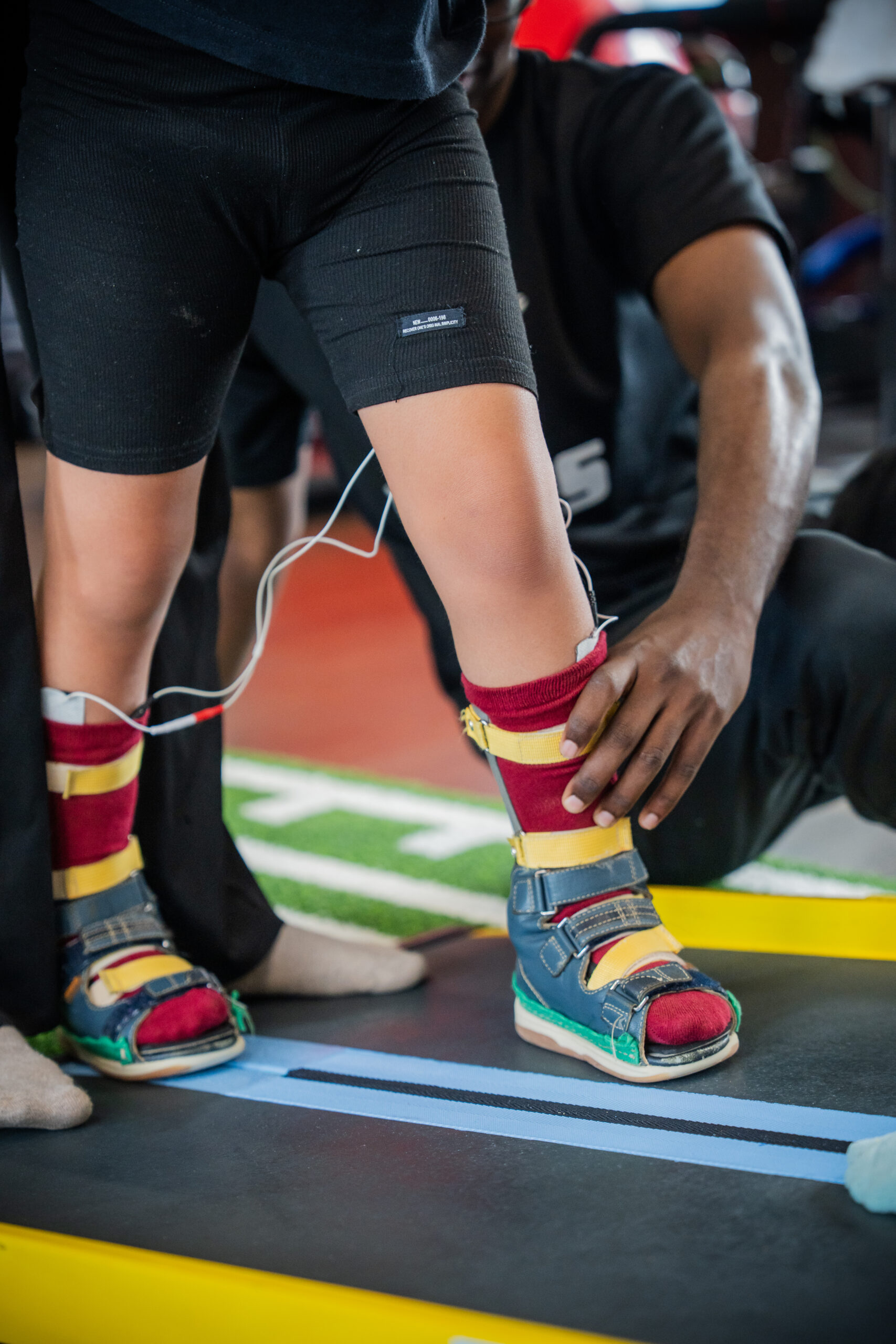
Electrical Stimulation-Based Movement Programmes Singapore
Structured Movement Programmes Incorporating Electrical Stimulation Technologies
Electrical stimulation-based developmental programmes incorporate structured movement activities alongside electrical stimulation technologies designed to create movement experiences during functional activities.
At WINGS, electrical stimulation technologies may be incorporated within movement-based developmental programmes according to movement goals, participation priorities, developmental profile, and individual tolerance.
Programmes are individualised according to each child’s movement experiences and participation goals.
What Are Electrical Stimulation-Based Movement Programmes?
Electrical stimulation technologies use external devices that deliver controlled electrical input during movement activities.
These technologies may be incorporated during:
Structured movement activities
Functional movement experiences
Upright movement activities
Walking and mobility activities
Movement exploration tasks
Participation during movement experiences
Repeated movement opportunities within structured programmes
Activities are adapted according to developmental presentation and movement priorities.
Functional Electrical Stimulation (FES) may be incorporated during movement activities designed around participation and functional movement experiences.
FES may be incorporated during:
Walking activities
Functional movement tasks
Structured movement experiences
Upright movement activities
Repeated movement opportunities
Participation during movement activities
FES activities are adapted according to movement goals and participation priorities.
Non-Invasive Spinal Electrical Stimulation (NISE-Stim)
NISE-Stim programmes incorporate non-invasive electrical stimulation technologies during structured movement activities.
Activities may incorporate:
Structured movement experiences
Functional movement tasks
Upright movement activities
Participation-focused movement activities
Repeated movement opportunities
Movement exploration activities
Activities are individualised according to developmental profile and participation goals.
NeuroTrac® Electrical Stimulation Systems
NeuroTrac® systems may be incorporated within movement-based developmental programmes alongside other structured movement approaches.
Electrical stimulation technologies are incorporated according to:
Developmental goals
Movement priorities
Participation needs
Functional movement activities
Individual tolerance and preferences
Every programme is adapted according to individual presentation and goals.
Who May Explore Electrical Stimulation-Based Programmes?
Families may explore electrical stimulation-based developmental programmes for children seeking additional movement experiences related to:
Functional mobility
Movement confidence
Participation during movement activities
Developmental milestones
Balance and coordination
Walking and mobility activities
Functional movement experiences
Electrical Stimulation Programmes At WINGS Therapy & Learning Center
Electrical stimulation technologies may be incorporated alongside:
Intensive Model of Therapy (IMOT) frameworks
Dynamic Movement Intervention (DMI)
Neurodevelopmental Intervention (NDT)
Walking and mobility programmes
Functional movement activities
Adaptive fitness approaches
Developmental milestone support
Caregiver guidance and home strategies
Every programme is individualised according to movement goals and participation priorities.
Explore Electrical Stimulation-Based Developmental Programmes
Every child develops differently.
If you are exploring movement-based developmental programmes incorporating electrical stimulation technologies designed around participation, mobility, movement confidence, and functional movement experiences, our team can help guide you through available programme pathways and support options.
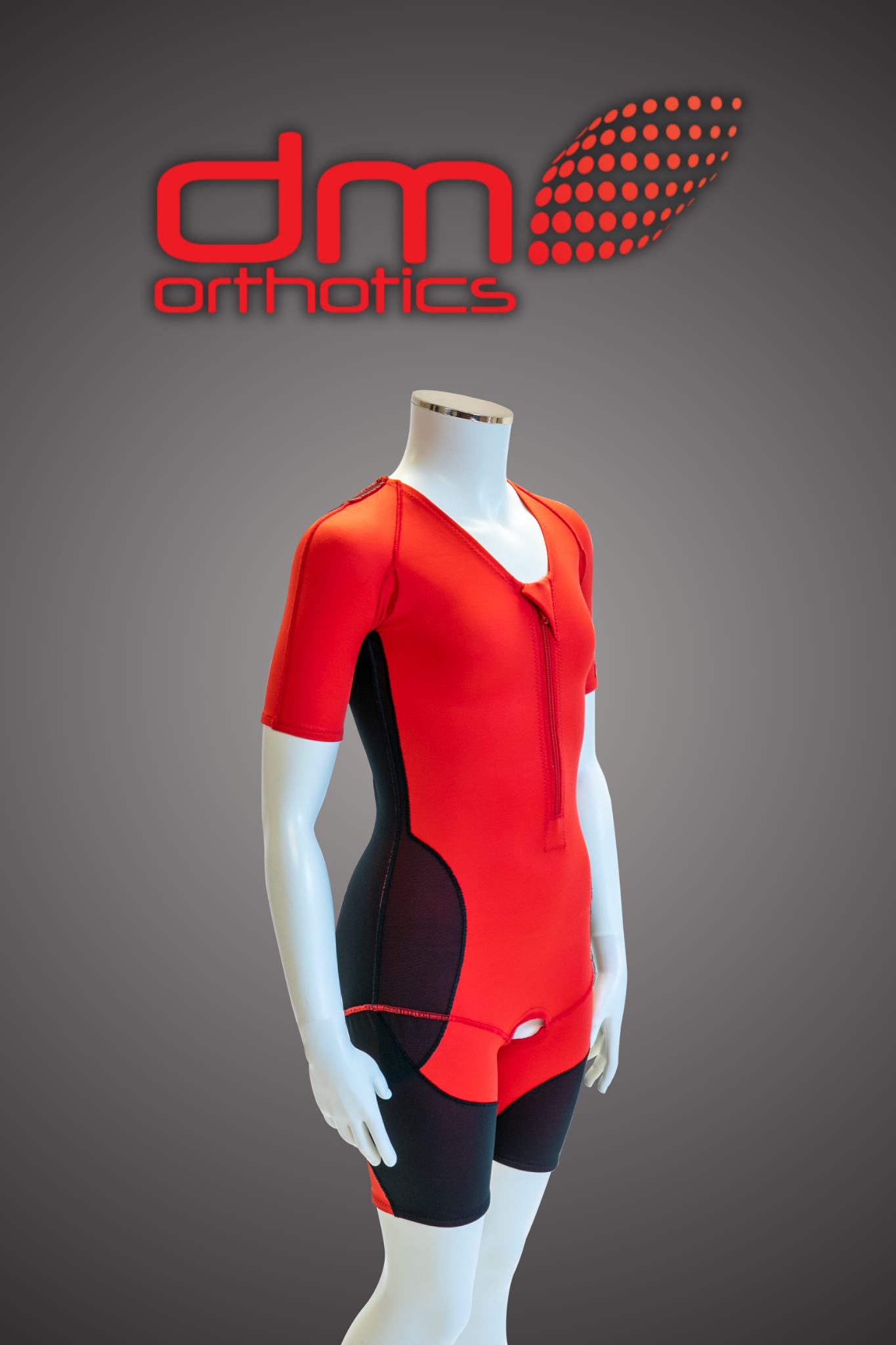
DM Orthotics® (DMO) Measurement & Consultation
Structured Measurement & Movement Support Programmes Using Dynamic Movement Orthoses (DMO)
Dynamic Movement Orthoses (DM Orthotics® / DMO) are specialised garment systems designed to provide additional support during movement activities and everyday participation.
At WINGS, DMO programmes include consultation, measurement, garment selection guidance, and movement-based developmental programmes designed around participation goals and individual movement needs.
Programmes are individualised according to developmental profile, movement priorities, and participation goals.
What Are Dynamic Movement Orthoses (DMO)?
Dynamic Movement Orthoses (DMO) are specialised garment systems designed to provide additional support during movement activities.
These garments may be explored during:
Everyday movement activities
Functional mobility activities
Supported movement experiences
Postural activities
Participation during daily routines
Structured movement programmes
Movement exploration activities
Garment selection and measurement are individualised according to movement goals and participation priorities.
What Does DMO Measurement & Consultation Include?
Individual consultations
Garment measurement sessions
Movement observation during functional activities
Discussion of movement priorities and participation goals
Guidance regarding garment options
Follow-up support related to garment use during movement activities
Every child presents differently, and garment selection is individualised according to movement profile and goals.
Who May Explore DMO Programmes?
Families may explore DMO programmes for children seeking additional support related to:
Movement confidence
Functional mobility
Participation during movement activities
Balance and coordination
Postural support during movement activities
Developmental milestones
Everyday movement experiences
Programmes are individualised according to participation priorities and movement goals.
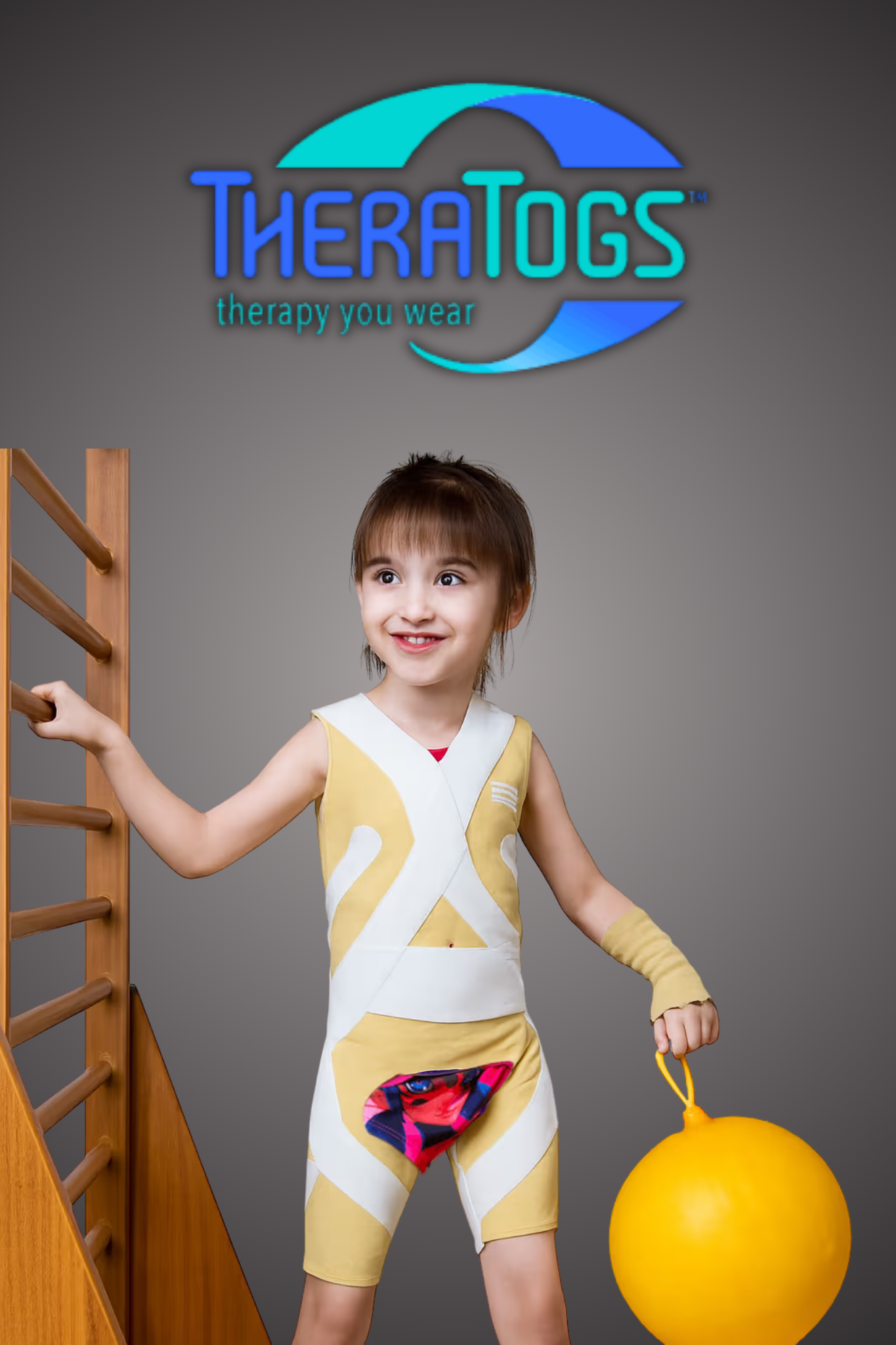
TheraTogs™ Measurement & Consultation
Wearable Movement Systems Incorporated Into Structured Developmental Programmes
TheraTogs® are wearable garment systems incorporated within movement-based developmental programmes designed around participation, movement exploration, body awareness, and functional movement experiences.
At WINGS, TheraTogs® programmes include consultation, measurement, garment fitting guidance, and movement-based developmental programmes designed according to movement priorities and participation goals.
Programmes are individualised according to developmental profile, movement presentation, and family priorities.
What Are TheraTogs®?
TheraTogs® are wearable garment systems designed to be incorporated during movement activities and everyday participation.
These garment systems may be explored during:
Functional movement activities
Walking and mobility activities
Upright movement experiences
Balance activities
Everyday participation tasks
Structured movement programmes
Movement exploration activities
Garment configurations are adapted according to movement priorities and participation goals.
What Does TheraTogs® Measurement & Consultation Include?
TheraTogs® programmes may include:
Individual consultation sessions
Measurement and garment fitting guidance
Movement observation during activities
Discussion of participation goals and movement priorities
Garment configuration planning
Follow-up guidance related to garment use during movement activities
Every child presents differently, and garment use is individualised according to movement profile and goals.
Who May Explore TheraTogs® Programmes?
Families may explore TheraTogs® programmes for children seeking additional movement experiences related to:
Movement confidence
Functional mobility
Balance and coordination
Participation during movement activities
Body awareness during movement
Developmental milestones
Everyday movement experiences
Programmes are adapted according to movement goals and participation priorities.
DM Orthotics® (DMO) Measurement & Consultation
Structured Measurement & Movement Support Programmes Using Dynamic Movement Orthoses (DMO)
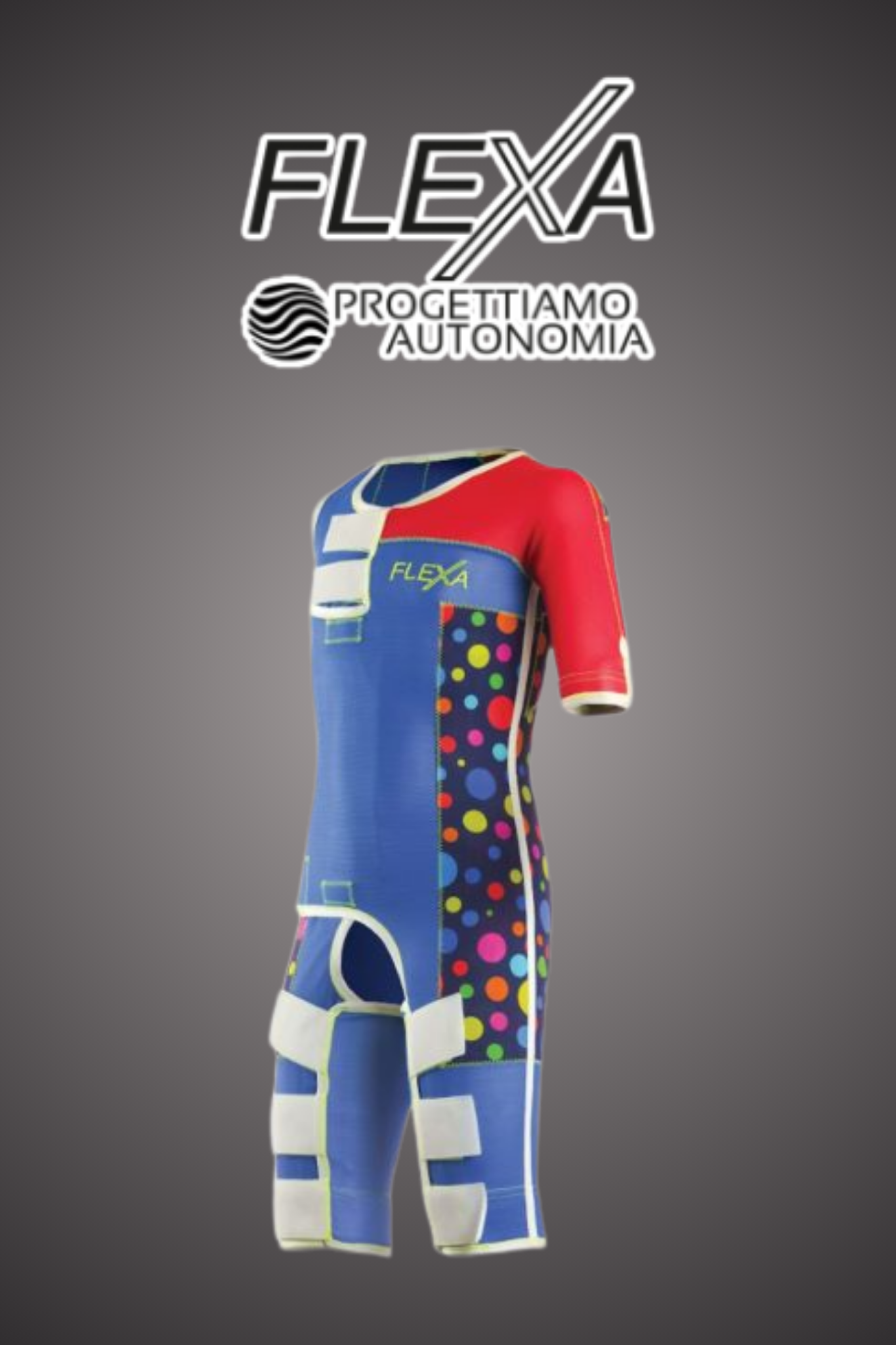
FLEXA® by Progettiamo Autonomia is a modular positioning system designed to support participation during movement activities, everyday routines, and supported mobility experiences.
At WINGS, FLEXA programmes include consultation, measurement, equipment selection guidance, and movement-based developmental programmes designed around participation goals and individual movement needs.
Programmes are individualised according to developmental profile, movement priorities, and participation goals.
What Is FLEXA®?
FLEXA® is a modular positioning system designed to provide adaptable support during movement activities and everyday participation.
These systems may be explored during:
• Everyday movement activities
• Functional mobility activities
• Supported movement experiences
• Position changes and transitions
• Participation during daily routines
• Structured movement programmes
• Sitting, standing, and supported positioning activities
• Movement exploration activities
Equipment selection and measurement are individualised according to movement goals and participation priorities.
What Does FLEXA Measurement & Consultation Include?
• Individual consultations
• Equipment measurement sessions
• Movement observation during functional activities
• Discussion of movement priorities and participation goals
• Guidance regarding equipment options
• Follow-up support related to equipment use during movement activities
Every child presents differently, and equipment selection is individualised according to movement profile and goals.
Who May Explore FLEXA Programmes?
Families may explore FLEXA programmes for children seeking additional support related to:
• Movement confidence
• Functional mobility
• Participation during movement activities
• Position changes and transitions
• Postural support during movement activities
• Developmental milestones
• Everyday movement experiences
• Participation during daily routines
Programmes are individualised according to participation priorities and movement goals.
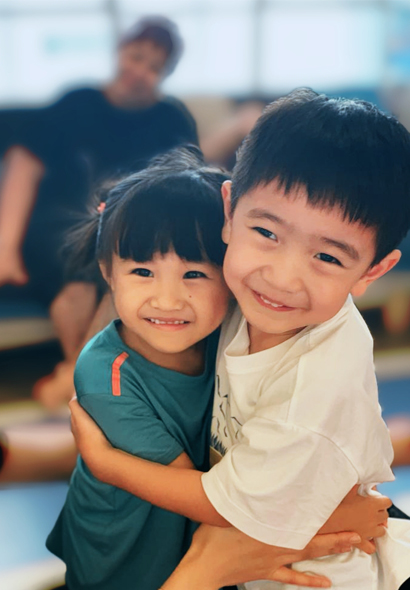
Everyone is welcome here.
We treat a broad range of conditions, and together, we’ll find the best approach to help your child transform their life with innovative and safe programmes and tools.
From initial evaluation to goal setting, and take-home exercise routines, you and your family are a vital part of our fun and challenging program. Our intensive programme typically lasts from 1 to 4 hours a day, 5 days a week for 4 – 6 weeks.
During each Intensive, we treat the child holistically addressing gross motor, fine motor, activities of daily living all through an intensive & interactive play-based approach.
WINGS pushes so-called boundaries by constantly engaging and challenging our patients.
On the road to freedom and independence, our team provides daily intensive programmes, no matter what challenges lay ahead.