
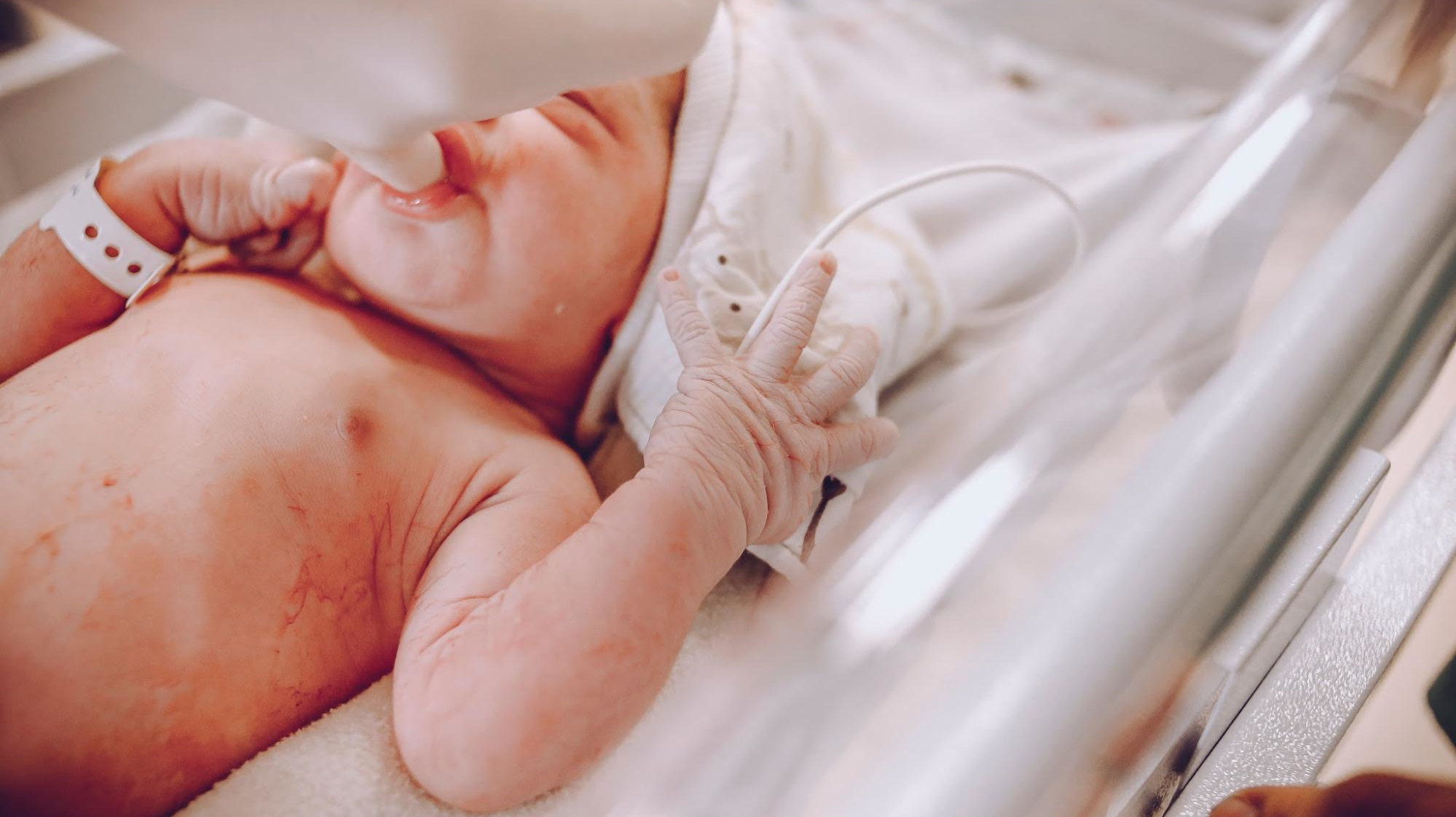
Watching your baby learn to lift their head, roll, sit, crawl and eventually take their first steps is one of the most exciting parts of early parenthood.
But it can also raise questions.
When should my baby sit? Why isn’t my baby crawling yet? Should my baby be standing by now?
Every baby develops at their own pace. Developmental milestones aren’t deadlines, but they can help parents understand how their baby’s movement skills are progressing.
What Are Baby Developmental Milestones?
Developmental milestones are skills that babies develop as they grow.
Development happens across several areas, including movement, communication, learning and social interaction. When looking specifically at gross motor development, parents may notice changes in how their baby controls and moves their body.
During the first two years, important movement skills include:
- Head control
- Tummy time
- Rolling
- Sitting
- Crawling or other forms of floor mobility
- Pulling to stand
- Standing
- Cruising along furniture
- Walking
Development varies from baby to baby, so consider these skills within your baby’s overall development rather than as a strict checklist.
Baby Developmental Milestones by Month
The timeline below highlights common movement milestones babies may develop across the first 18 months.
What Should I Look For During the First 3 Months?
During the first few months, babies begin developing greater control of their head and body.
You may notice your baby beginning to lift and turn their head during tummy time, move their arms and legs actively and gradually develop better head control.
By two months, holding the head up while on the tummy is one of the movement milestones identified by the CDC.
Singapore HealthHub also recommends supervised tummy time and floor-based play to encourage early motor development.
What Happens Between 3 and 6 Months?
Your baby’s movements usually become increasingly purposeful.
They may begin reaching for toys, pushing through their arms during tummy time, rolling and developing greater control when supported in sitting.
Floor play gives babies opportunities to move freely and explore different positions.
What Happens Between 6 and 9 Months?
This is often an exciting period for movement.
Babies may develop greater sitting balance and begin finding ways to move around their environment.
Some babies crawl on their hands and knees. Others may move differently before eventually learning to stand and walk.
What Happens Between 9 and 12 Months?
Your baby may become increasingly interested in getting upright.
You may notice them pulling themselves to stand, holding onto furniture and moving sideways while supported by furniture — commonly called cruising.
Some babies may also begin experimenting with standing independently or taking early steps.
What Happens Between 12 and 18 Months?
Walking becomes a major focus during this period.
The CDC includes walking without holding onto a person or object among its movement milestones by 18 months.
As walking develops, toddlers may also become increasingly interested in climbing, carrying toys and exploring their surroundings.
What If My Baby Is Late Reaching a Milestone?
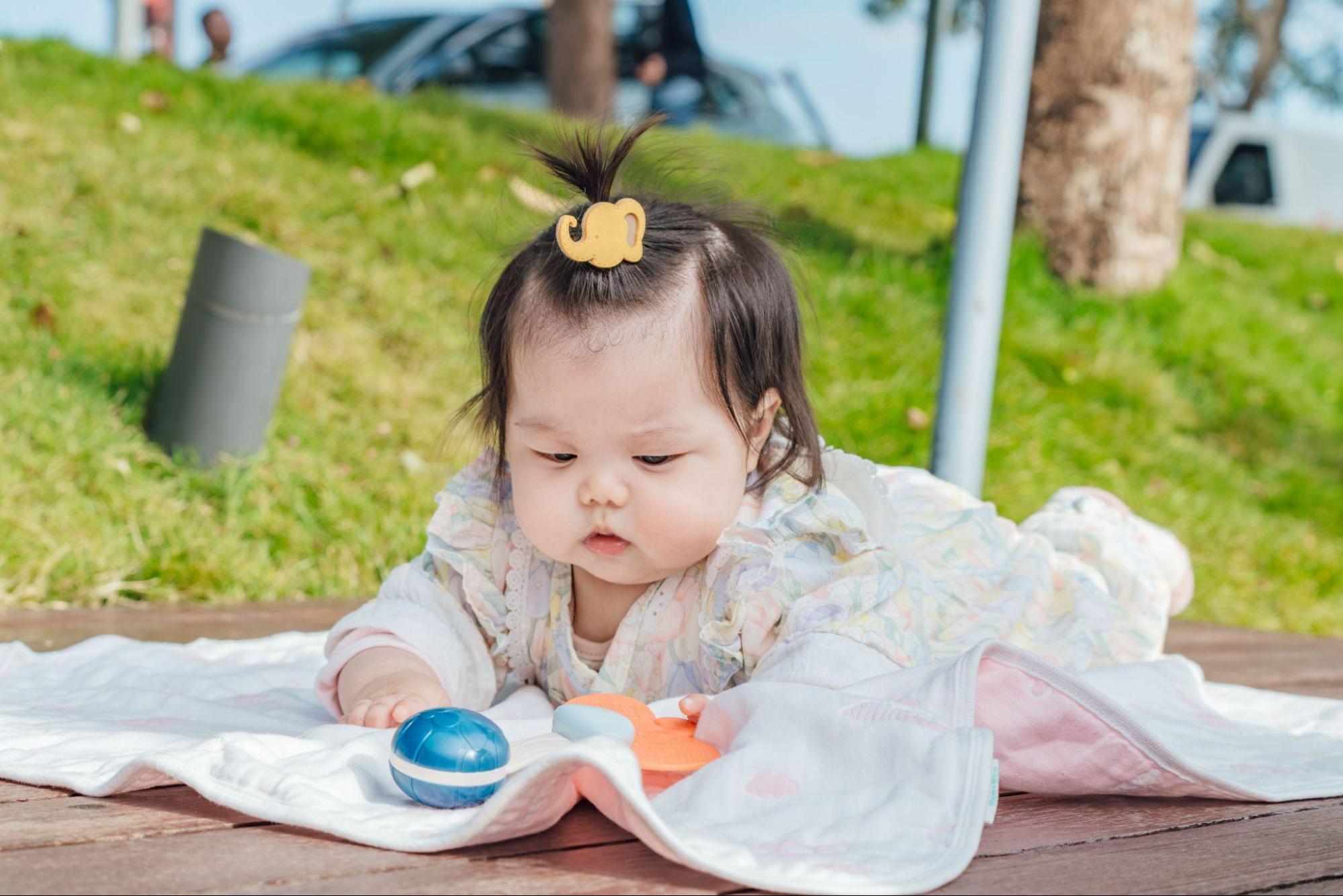
A baby reaching a milestone later than another baby does not automatically mean there is a developmental problem.
What matters is your baby’s overall development and progression.
However, if your baby isn’t reaching one or more developmental milestones, has lost a skill they previously had, or you have concerns about the way they move, discuss this with your child’s doctor.
When Might a Paediatric Physiotherapist Be Helpful?
If your concerns are specifically about your baby’s movement or physical development, a paediatric physiotherapist can assess areas such as movement, posture, mobility, balance and gross motor function.
An assessment can help parents better understand how their baby is moving and whether additional support may be appropriate.
Supporting Your Baby's Development
Babies learn through movement and exploration. Giving your baby safe opportunities for tummy time, floor play, reaching, rolling, and movement can support this process.
If something about your baby’s development concerns you, don’t feel that you have to work it out from milestone charts alone. Speak with an appropriately qualified healthcare professional, as identifying and addressing any issues early on may help your baby reach their full potential. From initial assessment to goal setting, we will work closely with you to create a personalised early intervention programme that fits your baby.
Reach out for a developmental assessment.
Important Information:
This article is intended for general educational information and does not provide medical advice, diagnosis or an individual treatment recommendation. If you have concerns about your child’s health or development, consult an appropriately qualified healthcare professional.