
When parents first notice that their child may be developing differently, the experience can feel overwhelming.
Sometimes it begins quietly — a lingering question, a comparison with peers, or uncertainty about developmental milestones.
Many families begin searching for answers during this stage, hoping to better understand what support options may be available for their child.
One term parents commonly encounter is ‘early intervention.’
In Singapore, early intervention programmes may provide structured developmental support during a child’s early years, focusing on participation, movement, learning readiness, communication, and everyday activities.
Early childhood is a highly responsive stage of development, and early support may help encourage engagement, confidence, and participation in daily life.
What Is an Early Intervention Programme?
An early intervention programme is designed to support children during their early developmental years through structured and guided sessions tailored to their individual needs.
Rather than focusing only on diagnoses or labels, early intervention programmes often observe how a child moves, plays, learns, communicates, and participates in everyday environments.
Depending on the child’s profile and goals, an early intervention programme may support:
- Movement, balance, and coordination
- Body awareness and posture
- Hand use and functional participation
- Play skills and social engagement
- Participation in daily routines
- Support approaches vary depending on the child’s developmental profile, needs, and family goals.
Early Intervention Programmes vs EIPIC: Understanding the Differences
In Singapore, parents often ask about the difference between a general early intervention programme and the EIPIC framework.
An early intervention programme is a broad term that may include a variety of developmental support services offered by different providers.
The Early Intervention Programme for Infants and Children (EIPIC) is a government-supported framework in Singapore intended for children assessed to benefit from structured developmental support.
Outside of EIPIC, some early intervention programmes (like what we do at WINGS) may offer:
- Different session frequencies and formats
Individualised pacing and goal-setting - One-to-one or intensive support blocks
- Various therapy and developmental approaches
Understanding these differences may help families explore support options that best align with their child’s needs and circumstances.
Why Early Support Matters
Some parents may wonder whether they should “wait and see” before seeking support. This hesitation is understandable and often comes from uncertainty, hope, or fear of overreacting.
Research and developmental literature frequently highlight the importance of timely developmental support during early childhood.
Early support may help children:
- Explore movement and participation opportunities
- Build confidence during everyday activities
- Adapt to increasing developmental demands
- Practise functional and age-appropriate skills
Every child develops differently, and developmental progress varies from child to child.
Early Support Approaches For Children
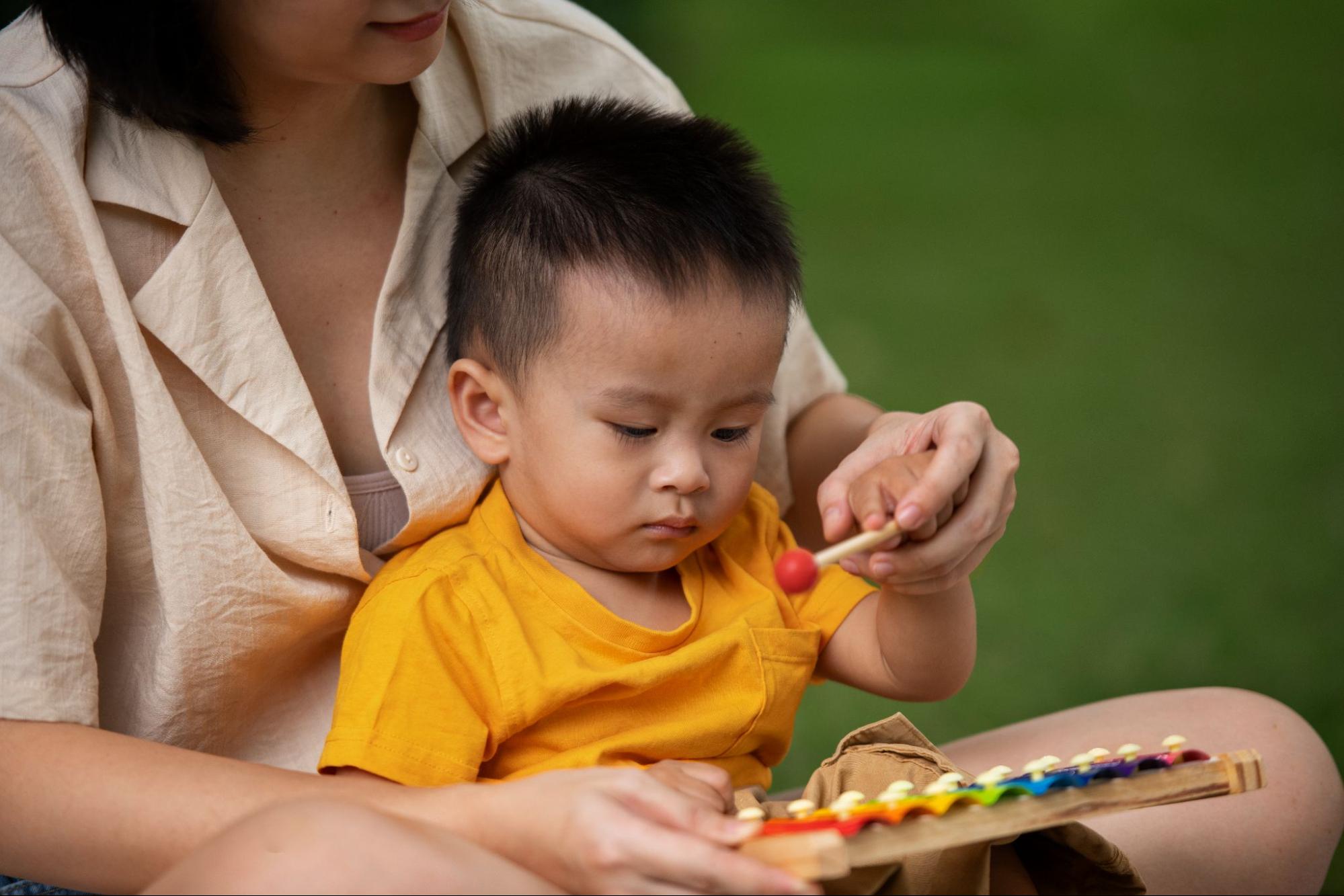
Early intervention programmes may involve different developmental support approaches depending on the child’s profile, goals, and areas of participation.
At WINGS, support programmes may incorporate movement-based support, functional participation support, and structured developmental planning within the Intensive Model of Therapy (IMOT) framework.
Movement-Based Support
Movement-based support focuses on how babies and children use their bodies during everyday movement and participation.
Support sessions may focus on:
- Posture, balance, and coordination
- Movement exploration and stability
- Mobility and body awareness
- Guided movement activities appropriate to the child’s developmental stage
Activities are adapted according to each child’s abilities, tolerance, and developmental profile.
Functional Participation Support
Functional participation support focuses on helping children engage more confidently and independently in meaningful everyday activities.
Support may involve:
- Hand use and coordination
- Participation in self-care routines
- Fine motor engagement
- Everyday functional activities
- Sensory-based participation strategies
Activities are typically embedded within play-based and age-appropriate contexts.
Understanding The Intensive Model Of Therapy (IMOT)
The Intensive Model of Therapy (IMOT) is a structured developmental support framework involving planned session frequency, duration, and consistency over a defined period.
At WINGS, IMOT programmes are individualised according to each child’s needs, goals, participation level, and tolerance.
This framework may involve:
- Structured support frequency
- Planned programme duration
- Consistent scheduling
- Goal-oriented developmental planning
Programmes are adapted according to the child’s response, participation, and developmental profile.
Supporting Your Child Beyond The Centre
Parents and caregivers play an important role in a child’s developmental journey. Beyond centre-based sessions, many families incorporate supportive routines, movement opportunities, and participation strategies into everyday life.
With guidance, consistency, and an encouraging environment, children may continue exploring new ways to move, engage, and participate in daily activities.
Frequently Asked Questions About Early Intervention Programmes
1. What is an early intervention programme?
An early intervention programme provides developmental support for children during their early years, often focusing on movement, participation, communication, learning readiness, and everyday activities.
2. What is the difference between EIPIC and private early intervention programmes?
EIPIC is a government-supported early intervention framework in Singapore. Other early intervention programmes may differ in format, frequency, session structure, and delivery models.
3. When should parents consider developmental support?
Parents may consider seeking guidance if they notice differences in movement, participation, coordination, communication, or developmental milestones.
4. Does early intervention guarantee outcomes?
Every child develops differently. Developmental support programmes are individualised according to the child’s profile, needs, goals, and participation.
Taking the First Step Forward
Every child’s developmental journey is unique. Early intervention programmes are not labels, but structured support pathways that may help children engage more confidently with everyday activities and environments.
If you are exploring developmental support options for your child, WINGS is here to walk alongside you. Reach out to our team for guidance, clarity and hope.