
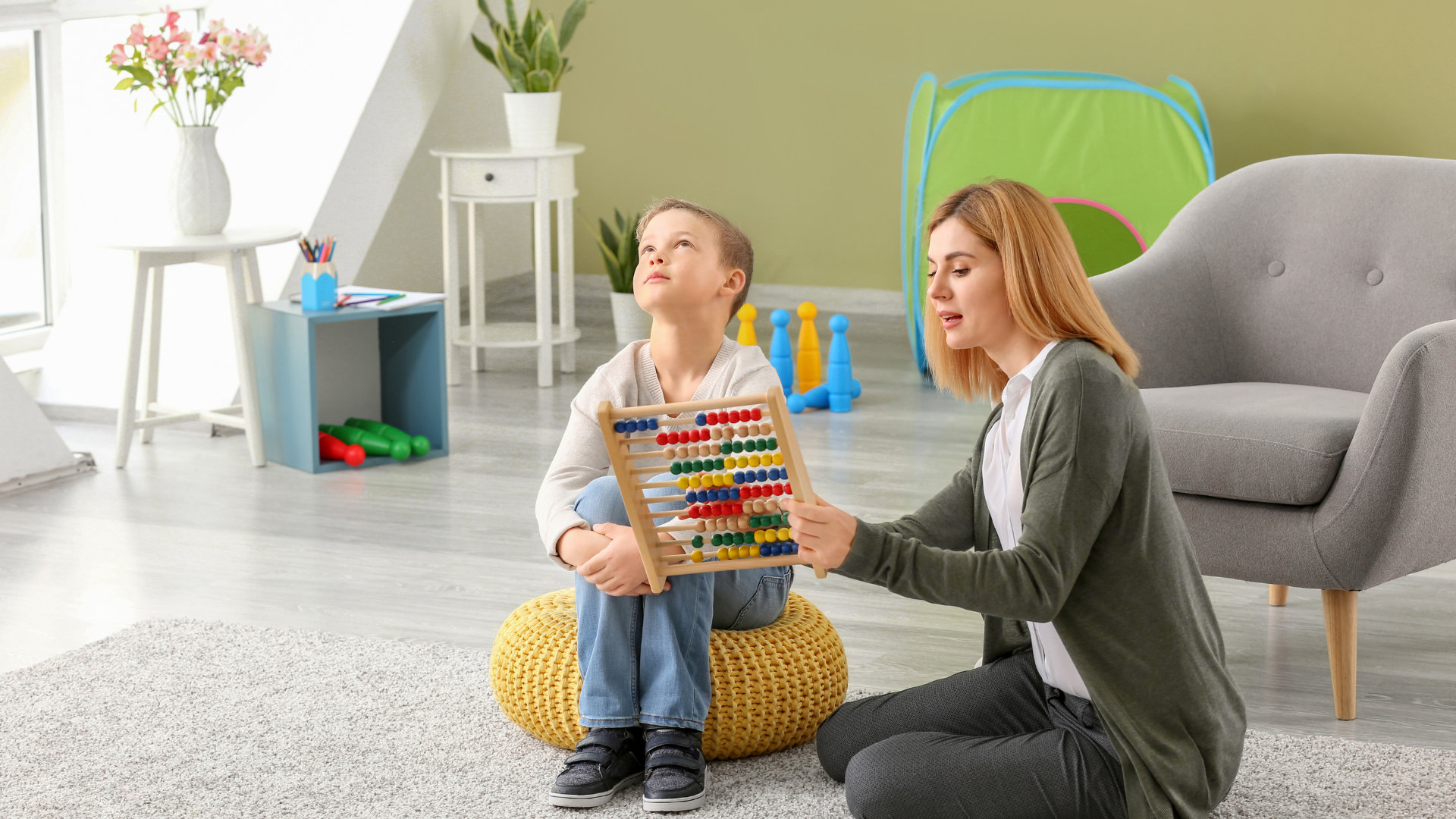
Every autistic child experiences and interacts with the world in their own way. Some may seek routine and predictability, while others may communicate through movement, routines, or non-verbal communication.
Support begins with understanding, patience, and a genuine effort to connect. When parents approach their child with curiosity and empathy, everyday interactions can become meaningful opportunities for growth.
This article shares practical, everyday ways parents can support an autistic child’s communication, routines, and overall well-being.
Understand Your Child and Build Connection
Children with autism may not always express their needs verbally.
Behaviour, body language, or repeated routines can often be their way of communicating comfort, distress, or interest. Paying close attention to these cues helps parents better understand what their child may be trying to say.
Building connection often starts by following your child’s interests, whether that is a particular toy, sound, or activity.
Simple strategies such as using clear, concrete language and offering visual supports can make communication more accessible.
Responding calmly and consistently also plays an important role.
Over time, calm, predictable responses can help children feel understood, supported, and emotionally secure, strengthening trust and emotional connection.
Support Daily Life With Structure and Practical Strategies

Many children with autism benefit from predictable routines, which can help daily routines feel more manageable and predictable. Knowing what comes next often provides a sense of security.
Daily activities such as getting dressed, eating meals, or brushing teeth can be broken into small, clear steps. Visual schedules, picture cards, or simple checklists may help some kids understand and follow routines more easily. These tools can also support independence at a pace that suits the child.
Sleep, health, and self-care routines are equally important. Consistent bedtimes, regular health check-ups, and thoughtful adjustments to manage sensory sensitivities, such as lighting or noise at home, can support overall well-being. Small, practical changes often make a noticeable difference in how smoothly the day unfolds.
Help With Communication, Sensory Needs, and Emotional Regulation
Communication challenges and sensory sensitivities can sometimes lead to frustration or emotional overwhelm. When this happens, distress, withdrawal, or emotional overwhelm can sometimes be a sign that something is difficult or uncomfortable, rather than deliberate defiance.
Supportive strategies may include using visual aids or alternative communication methods, reducing sensory overload in busy or noisy environments, and creating calm spaces where the child can regulate themselves. Practising coping strategies when the child is relaxed, such as deep breathing or quiet activities, can also help them draw on these tools during more challenging moments.
Emotional reactions or dysregulation can sometimes happen when a child feels overwhelmed, overstimulated, or unable to communicate their needs.
Responding with understanding, rather than punishment, helps reinforce emotional safety.
Helping a child with autism is an ongoing learning process, not a quest for perfection. Progress may come in small steps, and it often depends on the right support, consistency, and time.
Many families benefit from working with supportive professionals who can help identify strategies that fit a child’s communication style, sensory profile, and daily routines.
Movement-based support may help some children develop coordination, body awareness, and participation in everyday activities. Recognising progress at your child’s own pace helps build confidence moving forward.
At WINGS, programmes are tailored according to each child’s individual developmental needs and stage.