
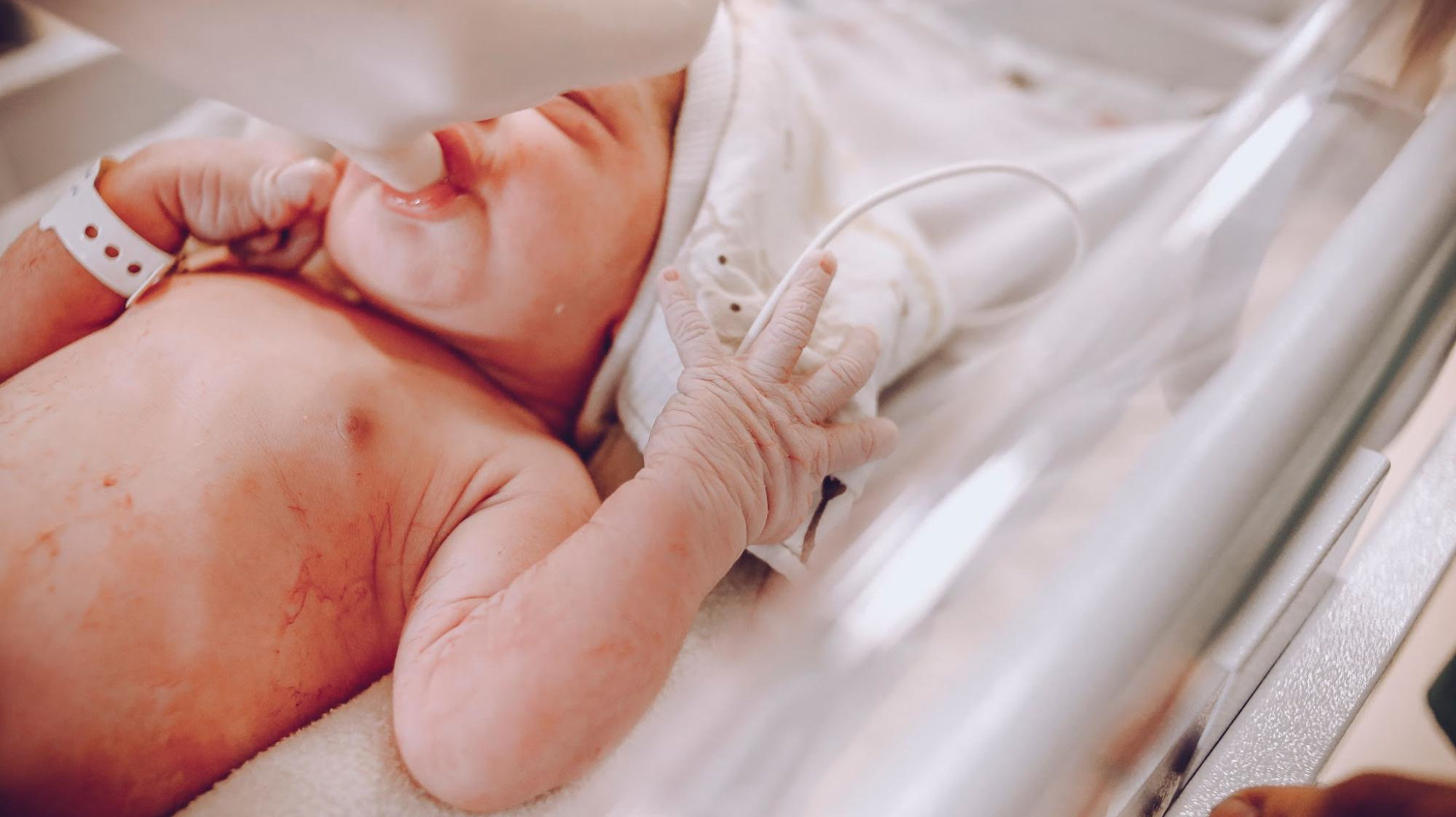
It often begins with a small observation: your baby resting with their head tilted to one side or consistently turning to look in the same direction. At first, it may seem like a simple preference, but as the pattern repeats, it can raise questions. Noticing something slightly “off”, especially in the early months, can feel uncertain.
This article will explore what torticollis is, what may contribute to it, what you can observe at home, and when to seek professional guidance.
What is Torticollis?
Torticollis, often called wryneck, describes a position where the head and neck are held in an asymmetrical position. This typically manifests as the head tilting toward one shoulder while the chin rotates toward the opposite side.
The term itself comes from Latin, meaning “twisted neck”, which reflects how the condition may present visually. In some babies, the head tilt is subtle, while in others it may be more noticeable at rest, during feeding, or movement.
In a baby with torticollis, this positioning is often seen early in life. It is generally described in two broad ways:
- Congenital muscular torticollis: Present at birth or noticed during early infancy
- Acquired torticollis: May develop later in childhood
These descriptions are used to help understand when and how the head position appears, rather than to define a fixed outcome. Each child’s presentation is unique and is best understood through individual observation and assessment.
What May Contribute to Torticollis in Babies
Infant torticollis is often linked to tightness in a specific neck muscle called the sternocleidomastoid. This muscle runs along the side of the neck and plays an important role in turning and tilting the head.
This tightness may develop for a variety of reasons, including:
- Positioning in the womb, particularly if space was limited
- A more complex or assisted birth
- Spending extended periods in one position after birth
In some cases, no clear contributing factor is identified. This is not unusual, and many parents cannot point to a single cause.
In older children, torticollis may be associated with muscle tension, habitual postures, or other individual factors. These situations are considered on a case-by-case basis to understand the child’s overall movement patterns better.
What’s important is this: noticing a difference in your baby’s head or neck position and seeking guidance early is a proactive step.
How to Know if Your Baby Has Torticollis
Rather than focusing on diagnosis, it can help to look for patterns in your baby’s movement and positioning. You may notice:
- A consistent head tilt to one side, even when the baby is relaxed or sleeping
- A strong preference for turning the head in one direction, with some difficulty or resistance when turning the other way
- Challenges during feeding, such as favouring one side or appearing less comfortable on the other
- Flattening on one side of the head (sometimes referred to as plagiocephaly), which may occur when pressure is repeatedly placed on the same area
In older children, there may be visible asymmetry in the way the head and neck are held, or occasional neck discomfort.
These observations can raise questions, but you should not provide a complete picture on your own. A professional evaluation is the best way to understand what may be causing what you see and how to support your child.
How Structured Developmental Support Can Help Children With Torticollis
When a child shows signs of torticollis, early guidance and structured developmental support may help encourage more balanced movement patterns and positioning over time.
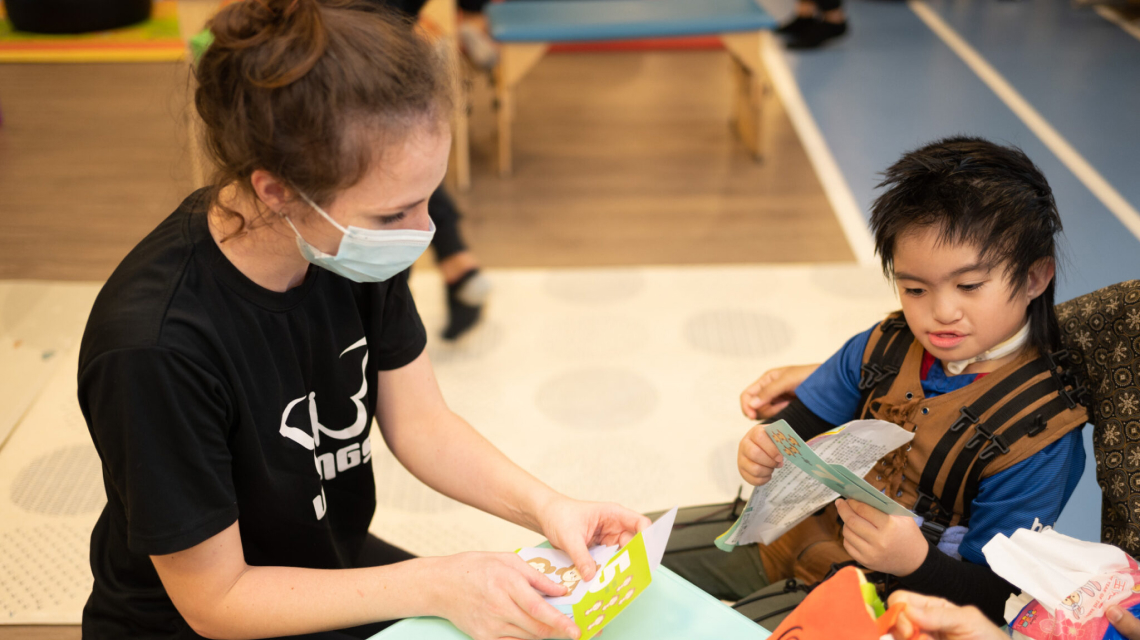
At WINGS, each child is approached as an individual. Rather than applying a one-size-fits-all programme, the team considers the child’s movement patterns, developmental stage, daily routines, and family goals when designing a support plan.
Movement-based developmental programmes may focus on areas such as:
- Encouraging a more balanced range of neck movement
- Supporting postural alignment
- Promoting age-appropriate movement development
- Improving comfort during positioning, play, and daily activities
Depending on the child’s presentation, support may include structured movement programmes and developmental approaches such as Dynamic Movement Intervention (DMI), NeuroSuit Method, and other intensive developmental methods designed to encourage active participation and functional movement.
Parents and caregivers also play an important role throughout the process. Families may be guided on movement & positioning strategies, play-based activities, and ways to incorporate supportive movement into everyday routines at home.
Every child develops differently. Early observation, consistency, and supportive guidance can help families better understand their child’s needs and developmental journey.
Concerned About Your Child's Head or Neck Position? Speak to the WINGS Team
If you have noticed differences in your child’s posture, positioning, or movement patterns and would like further guidance, the WINGS team is here to listen, observe, and support your family through the next steps. Not only do we provide movement-based interventions and neurorehabilitation, but we also provide milestone and developmental assessments, and consultations for posture, orthotics and equipment.
Every child develops differently, and having a supportive space to ask questions and better understand your child’s needs can make a meaningful difference.
To learn more about WINGS’ developmental programmes and movement-based support approaches, contact the team to arrange a consultation.