The NeuroSuit® and TheraSuit® methods are specialised movement-based neurorehabilitation approaches commonly used within structured developmental and motor support programmes for children with neurological and neuromuscular challenges, including cerebral palsy.
Parents may hear terms like “NeuroSuit”, “TheraSuit”, or “suit therapy” and wonder what they mean, or whether they refer to different approaches altogether. In simple terms, these methods involve the use of a therapeutic suit system to support guided movement, alignment, and functional participation during structured rehabilitation sessions.
This article explains how therapeutic suit-based methods work, what sessions may involve, and why they are sometimes incorporated into intensive rehabilitation programmes.
How Do NeuroSuit™ And TheraSuit® Methods Work?
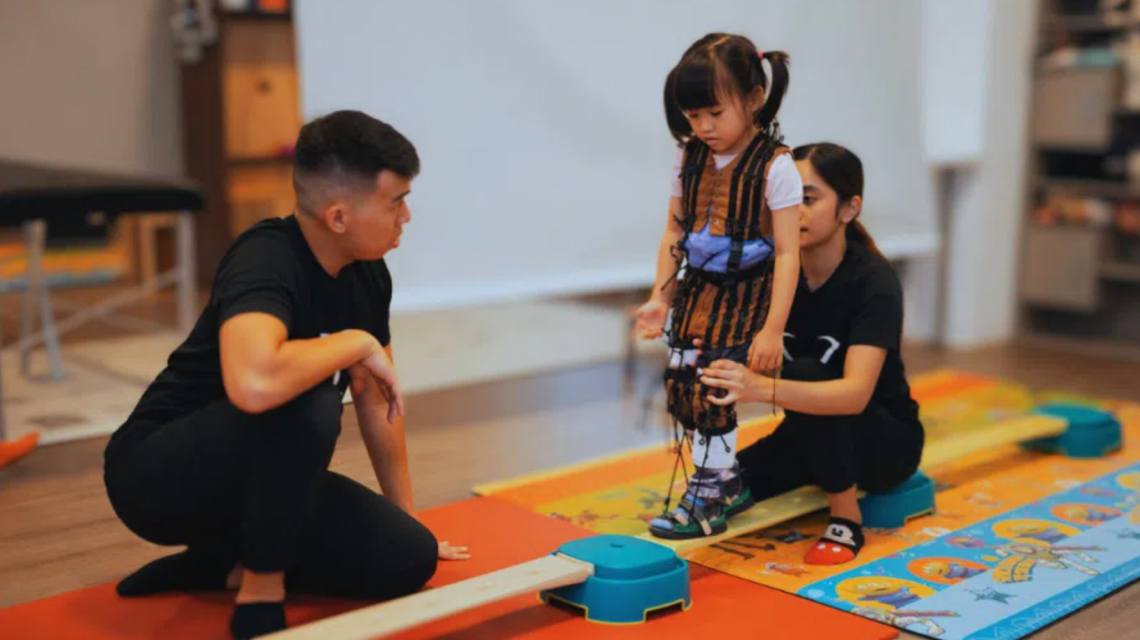
NeuroSuit® and TheraSuit® methods involve the use of specially designed therapeutic suit systems during structured rehabilitation sessions. These suit systems typically include a vest, shorts, knee supports, and elastic cords that connect different parts of the body in a precise and adjustable way.
The elastic support system provides gentle resistance and postural input during movement activities. This may help encourage more organised movement patterns, body awareness, alignment, and active participation during functional tasks such as standing, walking, transitions, and balance activities.
The suit system also provides proprioceptive input, which may help children better understand where their body is positioned in space during movement.
A typical session in either suit would last a maximum of 90 minutes.
What Happens During NeuroSuit™ And TheraSuit® Sessions?

Sessions typically begin with observation of movement patterns, posture, functional participation, and individual goals before adjustments are made to the suit system. The child is then supported through targeted movement activities and functional exercises tailored to their individual needs.
These may include standing practice, supported walking, balance tasks, or strengthening exercises, depending on the child’s goals. Sessions are goal-based and individualised, meaning no two programmes look exactly the same.
Therapeutic suit-based methods are typically incorporated into broader movement-based rehabilitation programmes focused on motor learning, repetition, participation, and functional development. The suit supports the work being done, but it is the guided movement and repetition that drive progress.
At WINGS Therapy, NeuroSuit™ and TheraSuit® methods may be incorporated into our Intensive Model of Therapy (IMOT) — a structured, goal-directed framework that combines multiple evidence-informed approaches to support motor development, participation, and functional progression.
Who May Benefit From NeuroSuit™ And TheraSuit® Methods?
Toddlers (minimum age of 2 years), children, and young adults with developmental, motor, and neuromuscular challenges are among the populations commonly supported using NeuroSuit™ and TheraSuit® methods. Research has explored the use of therapeutic suit-based methods in populations including individuals with cerebral palsy, hypotonia, and certain neurological rehabilitation needs.
Research suggests that when therapeutic suit-based methods are incorporated into structured movement-based programmes, some children may demonstrate measurable changes in areas such as gait parameters, walking speed, cadence, and stride length.
Every child’s developmental journey is unique. At WINGS, support programmes are tailored according to each child’s goals, presentation, tolerance, and functional needs.
Within a supportive and structured environment, NeuroSuit™ and TheraSuit® methods aim to support participation, movement development, and functional progression in ways that are meaningful to each child and family.