
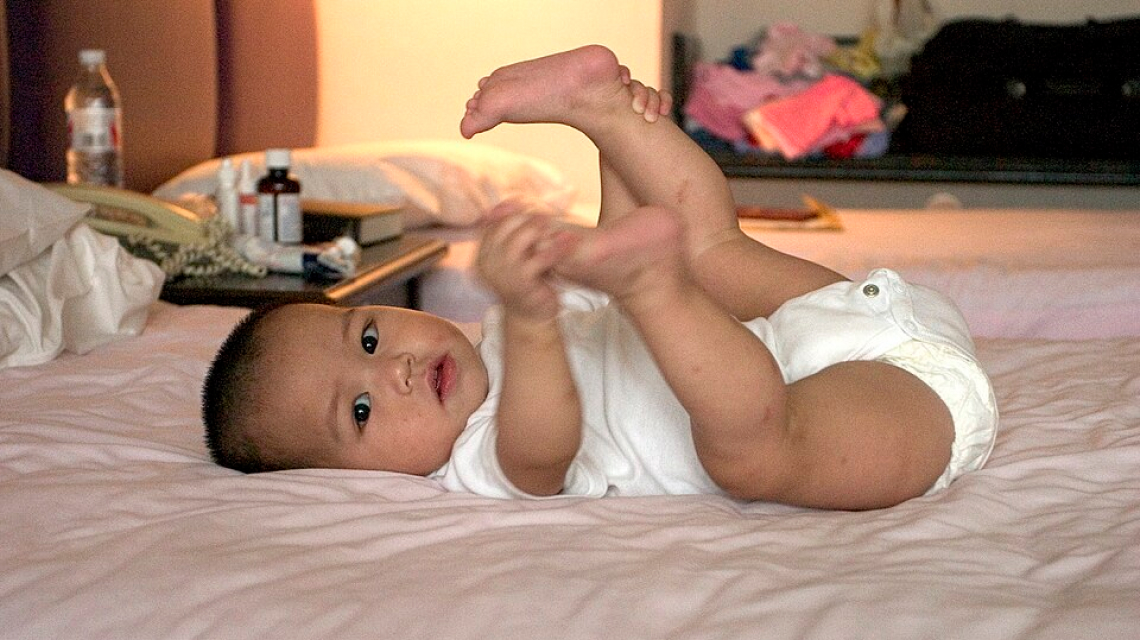
The early years of childhood are a time of growth, when learning happens through everyday experiences and interactions.
Early support refers to developmental guidance and intervention provided during the early years of childhood, when children are rapidly learning through movement, interaction, and everyday experiences.
Support may include movement-based programmes, developmental guidance, communication support, and other approaches tailored to a child’s needs.
The Window That Makes Early Support Essential
The first few years of a child’s life represent a period of significant brain development activity.
The Harvard Centre on the Developing Child explains that early experiences play an important role in shaping how children learn, adapt, and engage with the world around them. These early experiences play a key role in shaping the developing brain and its ability to support future learning and behaviour.
At this stage, the brain is still developing its core neural pathways and remains highly responsive to experience. Repeated practice of new skills helps strengthen these connections, as early learning experiences shape how efficiently the brain processes information and builds abilities over time.
As a result, children who begin support early and continue it consistently can build skills progressively, as the brain continues to organise and refine these early neural pathways.
What Children Can Gain From Early, Consistent Support
Early intervention offers more than a head start on developmental milestones. The gains show up across every part of a child’s daily life:
- Building Foundations for Movement and Communication: A solid foundation for movement, coordination, and communication. Repeated practice in the early years gives children the chance to strengthen and build confidence in skills before they are needed in settings such as school or group activities.
- Supporting Confidence and Independence Over Time: As children progress, they begin to participate fully in play, learning, and everyday moments alongside their peers.
- Addressing Specific Areas of Development: Targeted attention to areas of development that need it. Support that begins early and continues consistently allows these areas to be addressed before other demands on learning increase.
- Enabling Participation in Everyday Activities: From joining in group activities to navigating a playground with ease, progress in the early years shows up in the moments that matter most.
How Intensive Model Of Therapy (IMOT) Programmes Support Early Development
The Intensive Model (IMOT) is a structured approach sometimes used within early developmental support programmes for children working towards movement, coordination, and functional goals.
Rather than relying solely on weekly sessions, IMOT programmes provide more frequent opportunities for guided practice over a shorter period of time. The approach focuses on repetition, active participation, and consistency to support skill-building through everyday movement experiences.
At WINGS, IMOT programmes may incorporate a range of movement-based approaches depending on a child’s individual needs and developmental profile.
Sessions are planned collaboratively with families and adjusted according to each child’s progress, comfort, and goals.
The Role Parents Play in Early Intervention
Sessions are one part of the picture. What happens in between matters just as much.
Progress tends to sustain when the skills explored in sessions carry through into daily routines at home: through repetition of movement patterns, consistent encouragement, and the security of a familiar environment. Small moments matter here. A parent who joins in, repeats a movement, or simply stays engaged is helping carry familiar routines and movement experiences into everyday life.
We work alongside families throughout, providing the practical knowledge and tools needed to support a child between appointments. The team will help parents understand what to look for and how to help, so no one has to figure it out alone.
Learn More About What Early Intervention Can Look Like for Your Child
If you’re exploring developmental support options for your child, our team is available to help you understand what approaches may be suitable for your family.
Speak with the WINGS team to learn more about early developmental support programmes and how they may fit your child’s needs.