
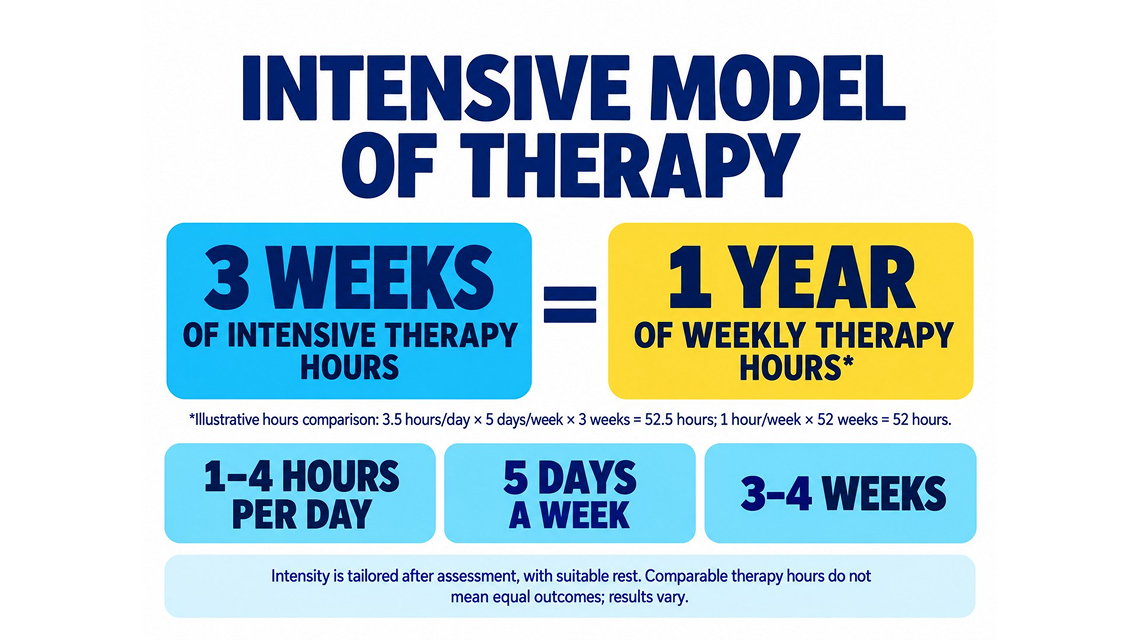
“My baby is working towards sitting or standing. Would practising more often help?” At WINGS Therapy Center, the Intensive Model of Therapy (IMOT) provides more frequent sessions over a defined period, giving a child regular opportunities to work on specific movement goals. The schedule and activities are chosen for the child, rather than set by age alone.
What Are the Three Principles of IMOT?
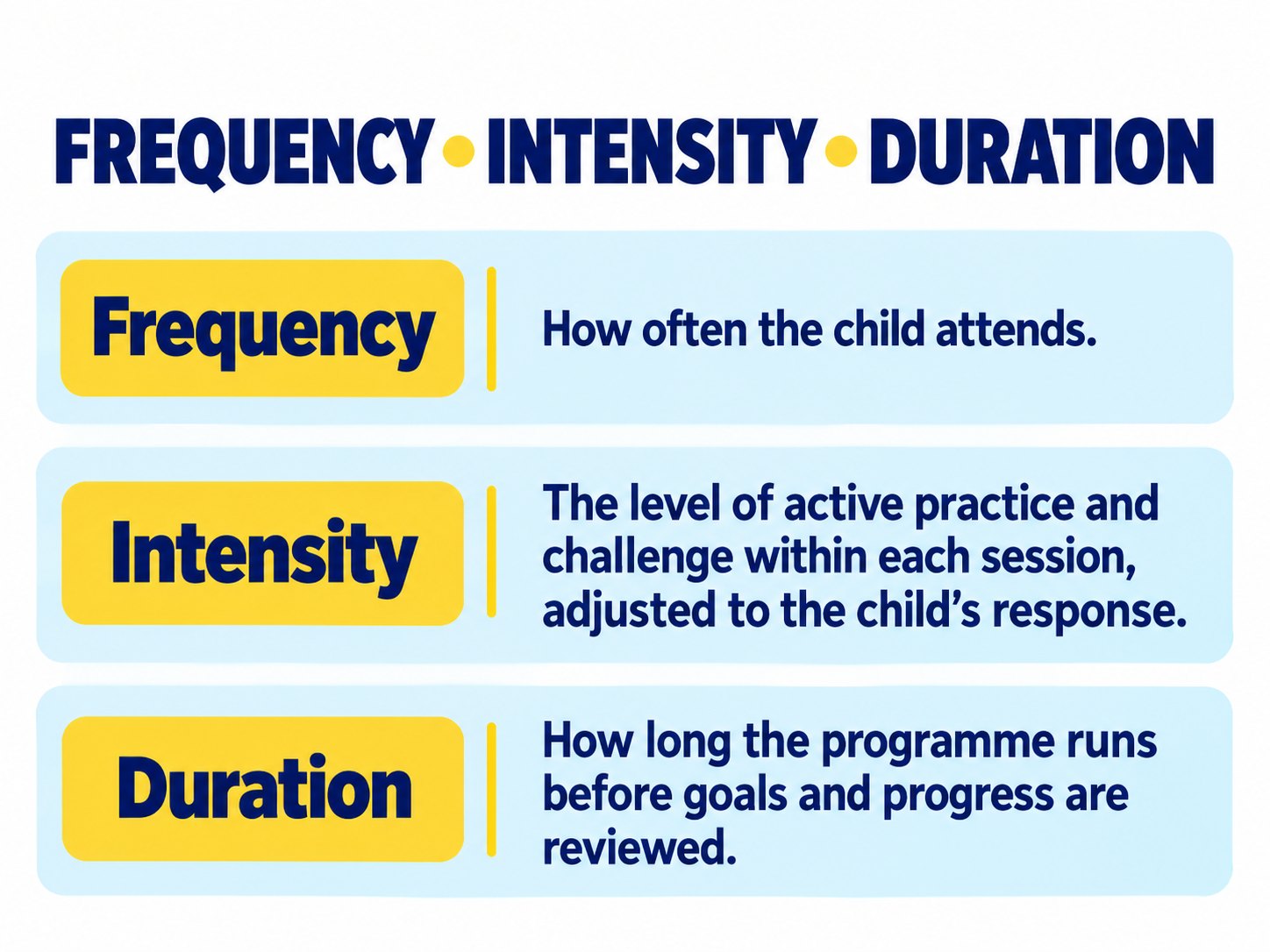
IMOT programmes are planned around frequency, intensity and duration:
“Intensive” does not mean working continuously or pushing through fatigue. Sessions can be separated to give a baby time to rest, feed and sleep.
Can a Baby Have DMI as an Intensive Programme?
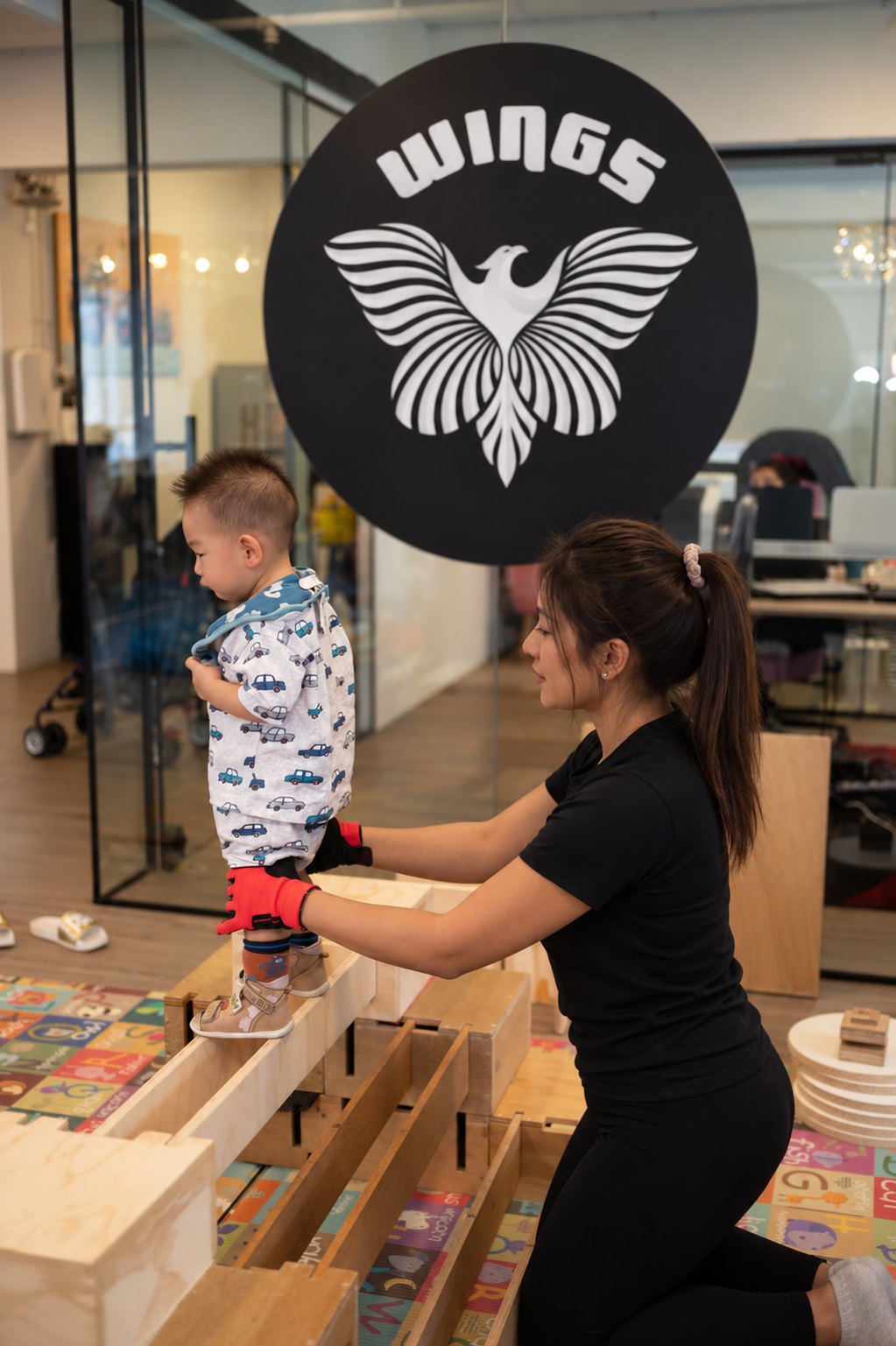
Yes. Dynamic Movement Intervention (DMI) can be delivered within an intensive programme. DMI uses guided activities that encourage babies to participate actively in movements related to postural control, balance and milestones such as head control, sitting and standing. The activities are adapted to each baby’s abilities and medical needs.
For example, a baby from around six months of age might attend a 45-minute to one-hour session each weekday for three to four weeks. For some babies from around ten months, a programme might include two one-hour sessions a day, five days a week for three to four weeks. Those sessions are spaced apart to allow ample rest.
These are examples of schedules WINGS may consider, not recommendations for every baby. Age alone cannot determine whether a baby is ready for an intensive DMI therapy programme.
What Else Might an IMOT Programme Include?
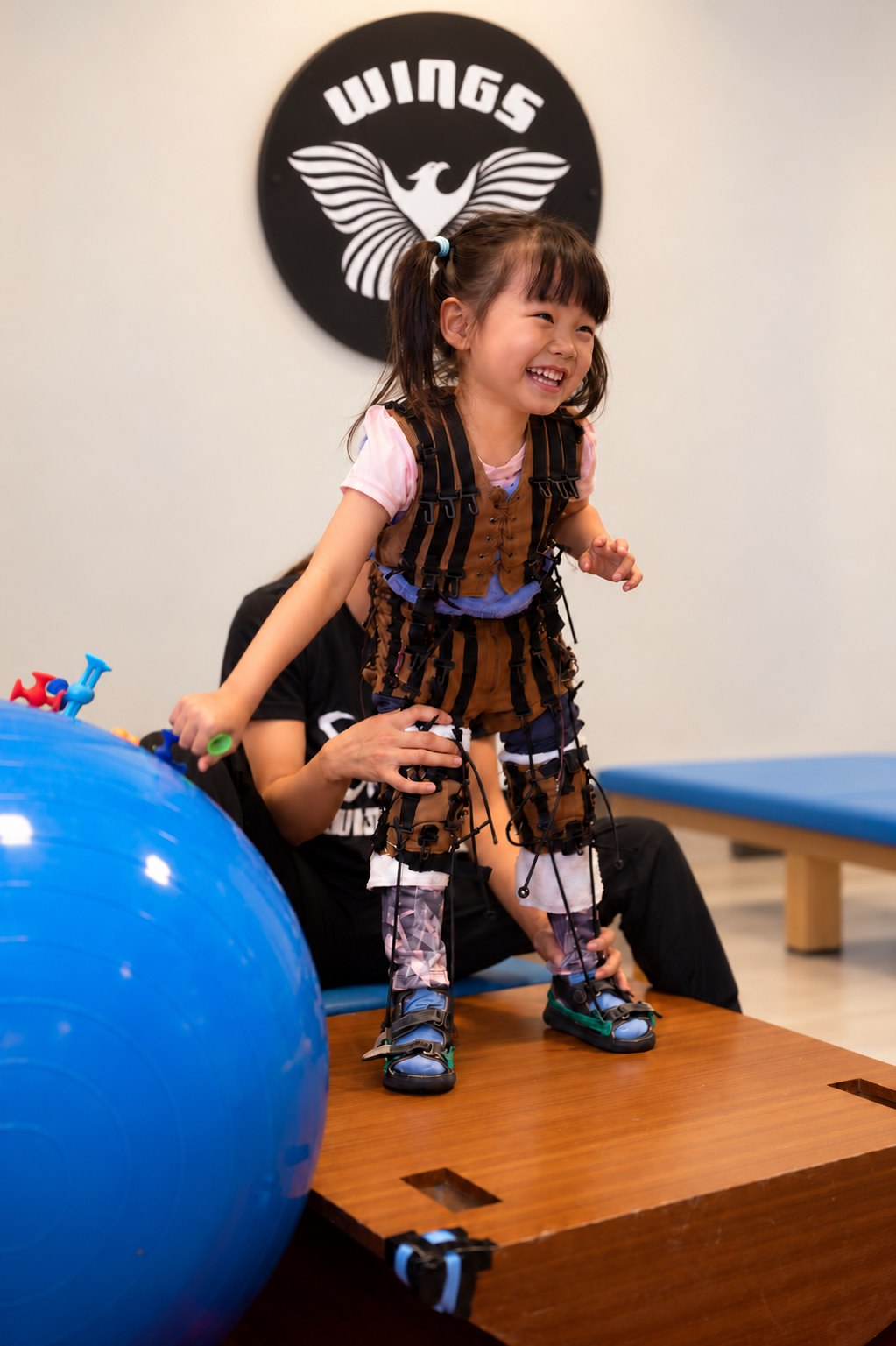
Depending on the child’s assessment, WINGS may consider Suit Therapy using NeuroSuit® or TheraSuit® during selected guided activities. The team considers the child’s age, diagnosis, goals, comfort and suitability before adding a suit. DMI and Suit Therapy are options within an individual programme; neither is required for every child.
How Do I Know Whether an Intensive Programme Is Right for My Child?
WINGS begins by reviewing your child’s medical history, current movement abilities and your goals. The team can then recommend a session schedule, explain how rest is built in, and review your child’s response during the programme.
Wondering whether your baby could benefit from more frequent practice? Contact WINGS to arrange an assessment and discuss a schedule suited to your child.